

Nobody:
Me at midnight: pausing Bon Appétit, Your Majesty to zoom in on a king’s lunch like it’s a crime scene.
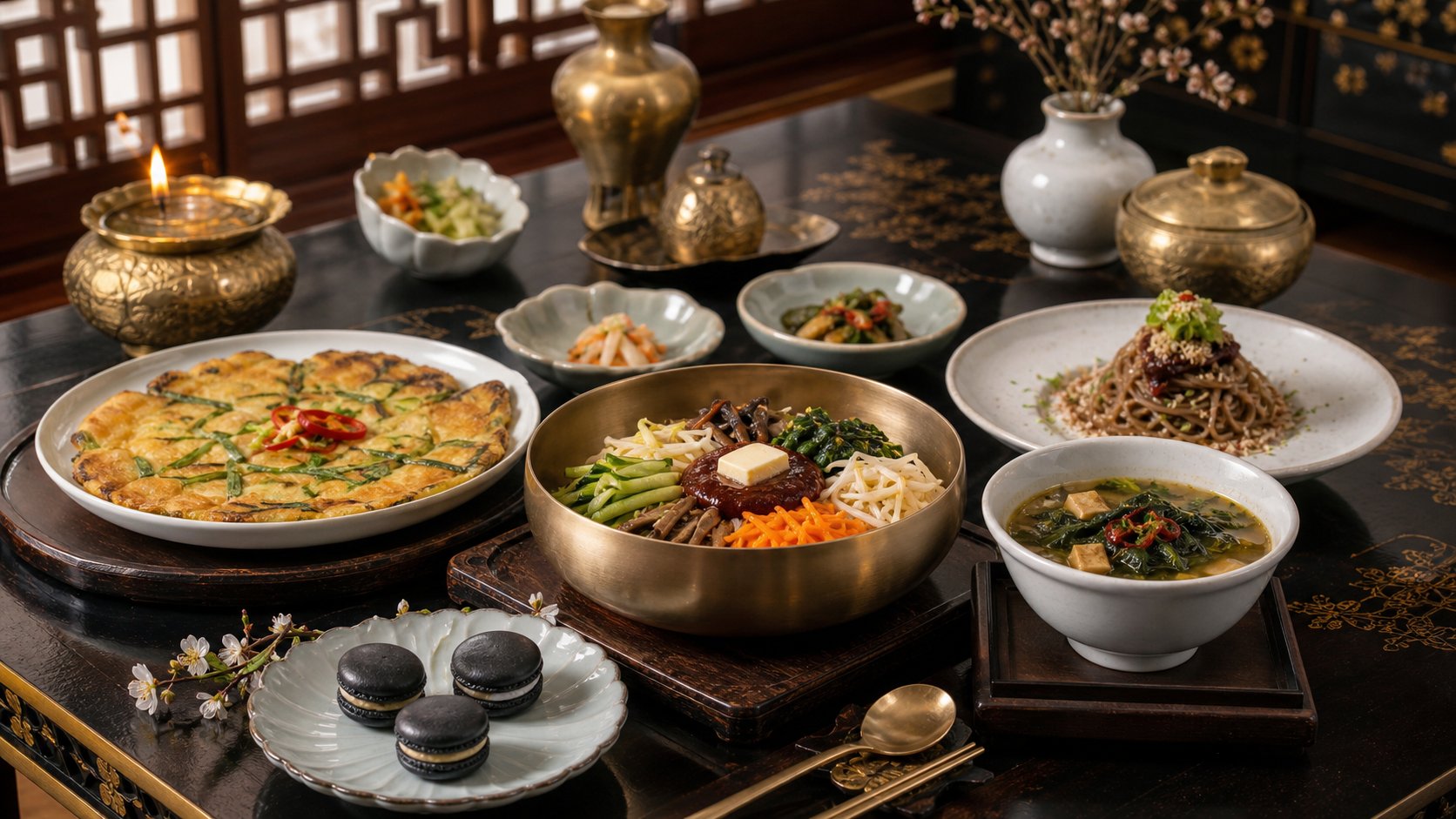
The show’s food is 3 things: real Korean home food, Joseon palace food, and French-Korean mashups that never existed.
All 12 dishes are below, with a “real or drama?” verdict for each. Want to cook something tonight? Start with gochujang butter bibimbap, clam and spinach doenjang soup or Dongnae pajeon. Leave the macarons and the pressure-cooked ogyetang to the professionals.
Covers dishes through Episode 11 with light food context, no ending spoilers. Not affiliated with Netflix, tvN or Studio Dragon.
Quick fun fact before we eat: in Korea the show is called 폭군의 셰프, “The Tyrant’s Chef.” Much less cute. Much more accurate. A French-trained chef, Yeon Ji-young, slips back into the Joseon era and has to cook for King Yi Heon, a man with a famously short temper and a very long menu.
Why the food looks so believable
Nobody improvised these plates for the camera. The show had a whole research team behind the stove.
The production worked with French chefs, Korean and fusion chefs, a Chinese-cuisine adviser, food researchers and a royal court cuisine specialist who reads old cookbooks. Director Chang Tae-you told Korea.net the team ran on-site consultations and cooking demos. Menu director Shin Jong-cheol told Forbes each dish went through repeated cooking experiments, checking which ingredients could plausibly exist in the period.
Still a fantasy, though. Chili peppers and gochujang weren’t in Korea yet when Ji-young lands in the 1500s. Episode 1 solves that the drama way: she just happens to have a tube of gochujang from her own time in her pocket. Iconic. Every Korean abroad has done the same thing at airport security.
All 12 dishes at a glance
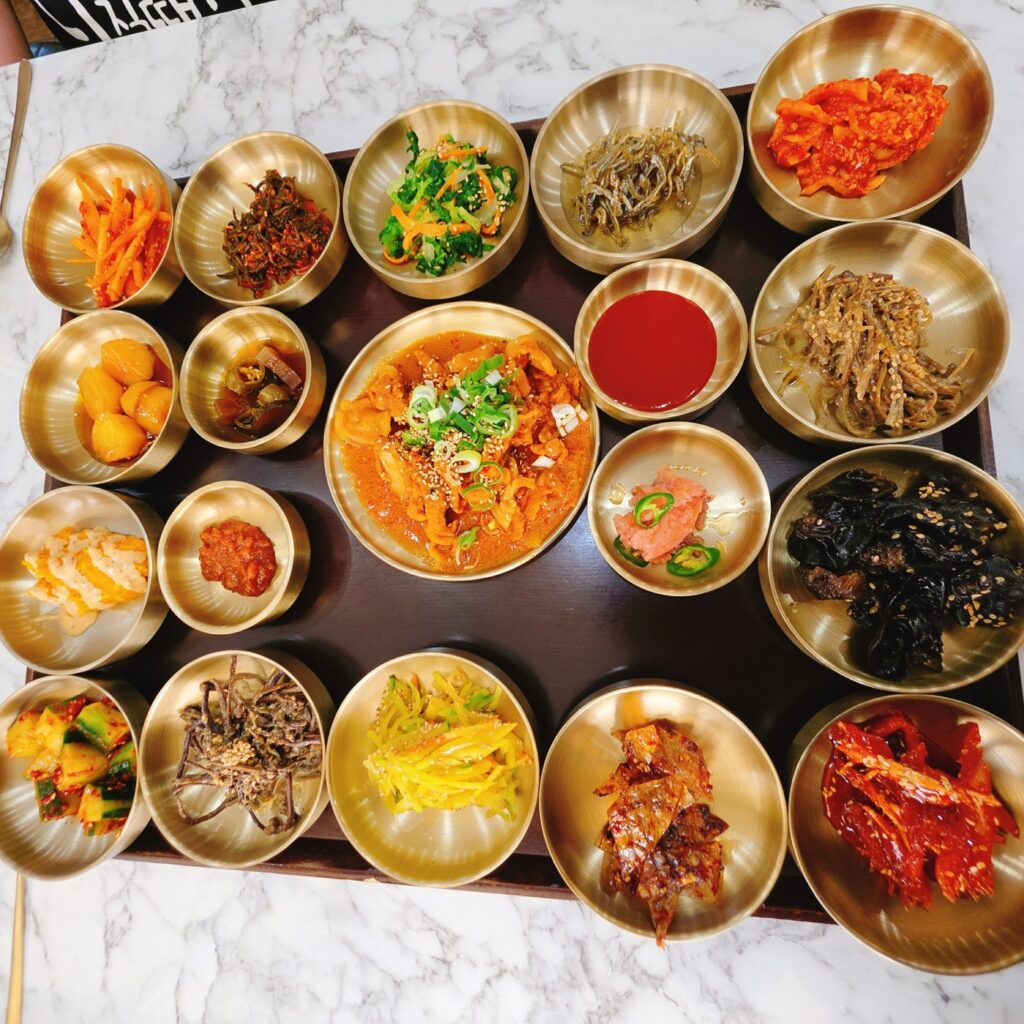
Twelve dishes, zero palace guards chasing you. The “real?” column is the one people argue about in the comments.
| Dish | Ep. | Real or drama? | Make it at home? |
|---|---|---|---|
| Gochujang butter bibimbap | 1 | Korean base, drama twist | Yes, easy |
| Joseon-style sous-vide beef | 2 | Drama invention | Only with a tested sous-vide recipe |
| Korean-French tasting menu | 3 | Fusion | No (raw beef, deer tongue) |
| Clam and spinach doenjang soup | 4 | Real home food | Yes, easy |
| Doenjang pasta | 4 | Old noodle idea, modern sauce | Yes, medium |
| Snowflake schnitzel | 5 | European, Joseon-adapted | Medium |
| Black sesame macarons | 6 | French, Korean flavor | Hard |
| Dongnae pajeon | 7 | Real regional dish | Yes, easy |
| Rice-wine beef bourguignon | 8 | French, Korean wine swap | Medium |
| Pressure-cooked ogyetang | 9 | Royal-style showpiece | Make samgyetang instead |
| Joseon “Restaurer” | 10 | Drama invention | Medium |
| Soy-meat gujeolpan + eggplant pie | 11 | Real format, fusion filling | Medium, fiddly |
1. Gochujang butter bibimbap (Ep. 1)
Episode one, and butter is already bullying tradition. I’m listening.
Bibimbap is rice mixed with vegetables, often with gochujang and egg. Ji-young swaps the usual sesame oil for browned butter, which softens the chili heat and makes the whole bowl smell like a bakery had a baby with a Korean kitchen.
Here’s the part foreign reviewers miss: butter on rice is not weird to Koreans at all. A lot of us grew up on “butter soy sauce egg rice,” hot rice + a pat of butter (or margarine, let’s be honest) + soy sauce + a fried egg. So when the king loves this bowl, every Korean watching nodded like “yeah, obviously.”
Make it: warm rice, blanched or sautéed vegetables, a soft egg, a small spoon of gochujang, a spoon of browned butter. Small amounts of both sauces. You want to taste the vegetables, not drown them. Real or drama? The rice-and-vegetable base is plausible. Gochujang + butter in the 1500s is pure time-travel luggage.
2. Joseon-style sous-vide beef (Ep. 2)
No vacuum sealer, one tough cut of beef, one king to impress. Normal Tuesday.
The show’s royal-cuisine researcher explained Ji-young adapts an older slow-cooking idea: the meat is protected with oil-treated Korean paper and cooked gently in water. It tastes like tender beef with concentrated meat flavor, not a seared crust. Real or drama? Joseon cooks did not practice sous vide. It’s a clever bridge between two old ideas: keep moisture in, use gentle heat. Please don’t copy paper-wrapping temperatures from a TV scene; use a tested sous-vide recipe.
3. Korean-French tasting menu (Ep. 3)
A French tasting menu in a Joseon palace. Bold move for someone one bad review from losing her head.
French course structure with Korean game, seaweed and charcoal cooking. The most talked-about bites: tartare served with crisp kelp, and thin slices of deer tongue grilled over charcoal. Korea already has yukhoe (seasoned raw beef), so tartare doesn’t feel that foreign here. Real or drama? Fusion. Home warning: raw beef and game need expert sourcing and strict handling. Watch this one, don’t copy it.
4. Clam and spinach doenjang soup (Ep. 4)
The cheapest dish in the show and the one that hits hardest. Very Korean of it.
Doenjang (fermented soybean paste) makes the broth salty and earthy, small clams add sweetness, spinach softens into it. This is the most “regular Korean dinner” bowl in the whole series, the kind of soup that’s on the table on a random weeknight. The drama uses it as memory food, and honestly that’s exactly how it works in real life.
Real or drama? Real home cooking. Can’t find doenjang? Read my doenjang substitute guide first. Miso works in a pinch, but doenjang is louder, rougher and funkier, so you can’t swap them 1:1 and expect the same soup.
5. Doenjang pasta (Ep. 4)
Sounds like a 2 a.m. TikTok experiment. Is actually based on a 1600s cookbook.
According to the culinary team, the noodles were inspired by nanmyeon from the Joseon cookbook Eumsik Dimibang and made with buckwheat and egg. The sauce blends several kinds of doenjang, with clams and spinach. Expect earthy, salty and nutty. Real or drama? Old cookbook noodle + real paste = traditional parts. Plating it as restaurant pasta = fusion.
6. Snowflake schnitzel (Ep. 5)
Schnitzel in Joseon. The time-travel paperwork on this one must be wild.
No breadcrumbs, no potatoes, so the team used a refined wheat-flour batter with a “snowflake” frying technique for the crunch, and swapped fries for fried burdock root. Burdock is earthy and a little chewy, so the plate tastes more Korean than it looks. Real or drama? A smart period adaptation, not a historical Korean recipe.
7. Black sesame macarons (Ep. 6)
The most aggressive anachronism on the menu, and I respect it.
French pastry in Korean flavors: black sesame for a deep roasted nuttiness, plus Korean-inspired flavors like mugwort and jujube in the pastry presentation. The team even worked out how Ji-young could get butter: suyu, made by heating and solidifying milk. Real or drama? Drama. Difficulty: high. Macarons crack if you look at them wrong. In Korea, black sesame (heukimja) is a very normal flavor for rice cakes, lattes and ice cream, so a bakery version is the easier route.
8. Dongnae pajeon (Ep. 7)
The scallion pancake that refuses to chop its scallions.
Dongnae pajeon comes from the Dongnae area of Busan. Long whole green onions go in the center instead of being chopped into batter, with seafood and egg on top. Crisp browned edges, soft egg-rich middle. In Korea, the second it rains, half the country starts craving jeon and makgeolli. There’s even a theory it’s because sizzling oil sounds like rain. I’m not saying it’s science. I’m saying it works on me every time.
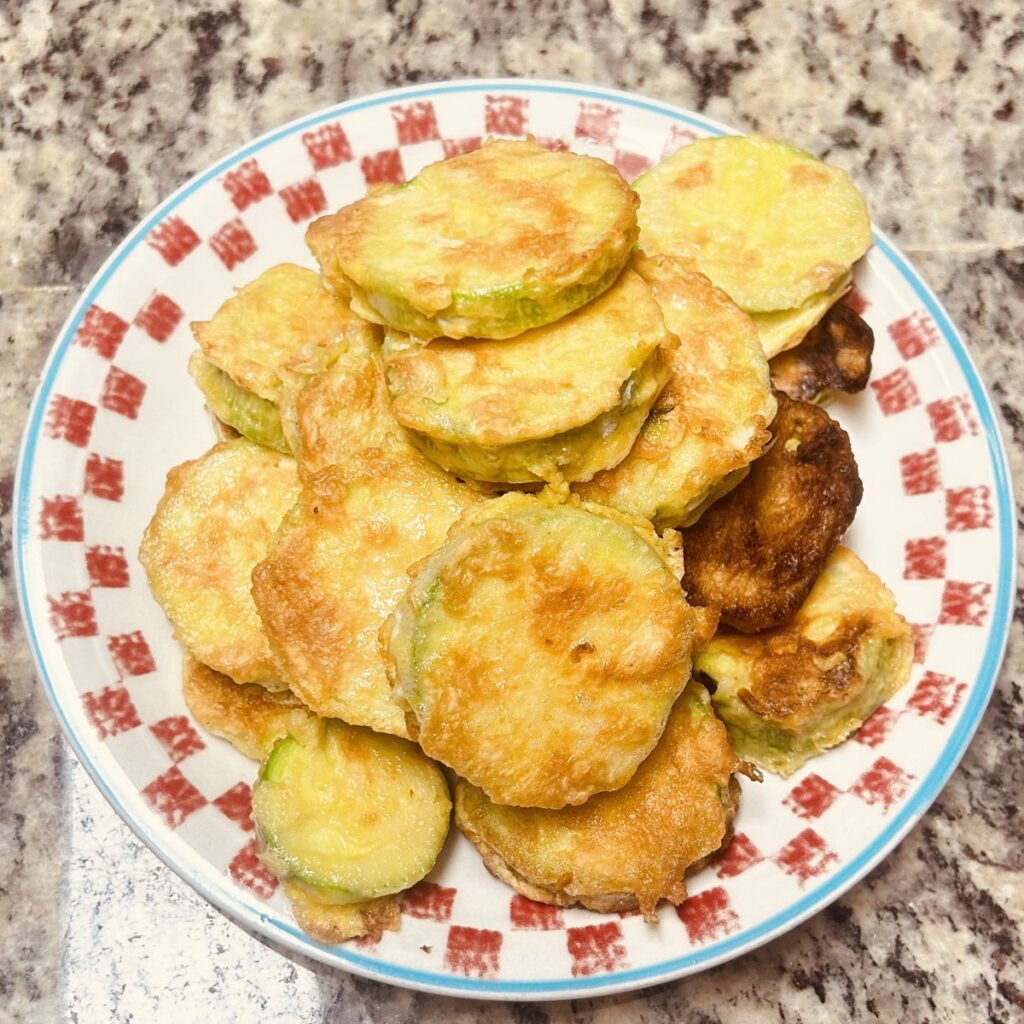
Real or drama? Real regional dish. The easiest of the three I’d try first. Korean frying mix in the batter gets you crisp edges with less guesswork.
9. Rice-wine beef bourguignon (Ep. 8)
It’s French. It’s Korean. It’s having a wonderful identity crisis.
The classic French beef-in-wine stew, but braised with Korean rice wine and wild-grape wine instead of Burgundy. Rich, savory, faintly fruity. Real or drama? Fusion. Cooking with Korean alcohol? Bottles differ a lot in sweetness and alcohol, and “rice wine” on a label doesn’t mean they swap 1:1. My Korean cooking wine guide sorts it out. Also: cooking doesn’t remove every trace of alcohol.
10. Pressure-cooked ogyetang (Ep. 9)
The pot isn’t the only thing under pressure in that kitchen.
Ogyetang is built on ogolgye, a black-skinned silkie chicken, with ginseng and other restorative-soup ingredients. The competition version uses a specially built pressure cooker and adds chicken dumplings, stuffed morel mushrooms and crisp nurungji (scorched rice). Taste: deep chicken broth, earthy and herbal, with crunchy rice for contrast.
The real-world version is samgyetang: a whole young chicken stuffed with sticky rice, garlic, jujube and ginseng. In Korea we line up for it on boknal, the three “hottest days” of summer, because fighting heat with boiling soup is apparently our national strategy. No silkie chicken needed to get the idea.
11. Joseon “Restaurer” (Ep. 10)
A dish that comes with a French lesson. Lunch and homework.
Episode listings often call it “Joseon Restaurant,” but the idea comes from the French verb restaurer, to restore. Ji-young makes a soft, energy-dense bowl for someone too weak for normal food: rice cakes and sujebi (hand-torn dough pieces) in a nourishing broth, refined with French sauce logic. Real or drama? Drama invention. You can’t order “Joseon Restaurer” in Seoul, but tteok-sujebi in broth? Very orderable, especially on a cold day.
12. Soy-meat gujeolpan and eggplant pie (Ep. 11)
Tiny sections, tiny portions, zero room for messy eaters. I would not survive.
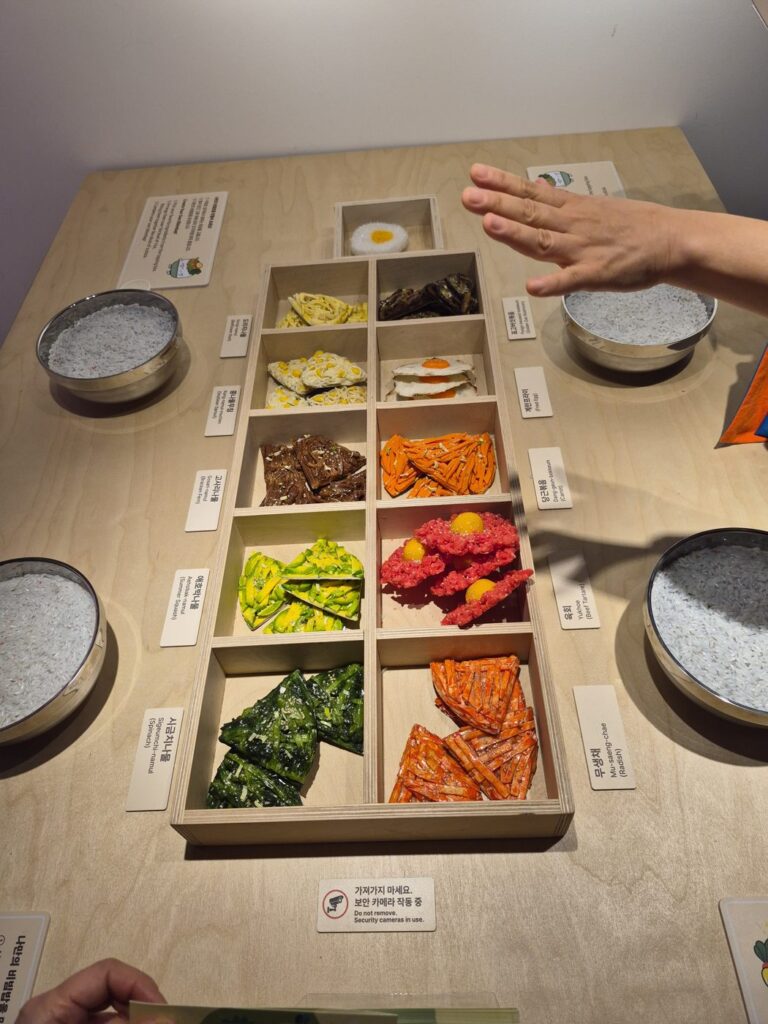
Gujeolpan is a nine-section platter: colorful fillings around thin pancakes, and you wrap your own combos. The drama makes it for a diner avoiding meat, using soy-based meat and serving an eggplant pie on the side. Real or drama? The platter is real Korean banquet presentation. The plant-based filling and pie are Ji-young’s twist.
Cook the 3 easiest dishes: the pantry list
Four jars and a bag. That’s the whole royal kitchen budget.
CJ Haechandle gochujang · 500 g · Sempio doenjang · 460 g · Ottogi roasted sesame oil · 320 ml · Beksul Korean frying mix · 1 kg
Shopping at Walmart instead?
O’Food brown-rice gochujang, medium heat · 17.6 oz · Sempio tojang soybean paste · 16 oz (tojang is a doenjang-style paste; this one has red chili and fish/seafood, so check the label). Free pickup on many orders; check your ZIP and the seller.
More: where to buy Korean ingredients online in the USA · Korean ingredient substitutes · where Korean groceries ship, by country
Allergy and safety notes
Soy and wheat: doenjang, gochujang, soy sauce, noodles, pancakes and sujebi. Shellfish: clam soup, pajeon and doenjang pasta. Egg, milk, sesame: pasta, pancakes, macarons, sauces. Alcohol: the bourguignon. Raw meat: skip the tartare without a proper supplier. Formulas vary by brand, so check the package: how to read Korean food labels.
Quick questions
Is every dish in Bon Appétit, Your Majesty real Joseon royal food?
No. Some are real Korean dishes (doenjang soup, Dongnae pajeon, the gujeolpan format), some borrow from old cookbooks, and many are deliberate French-Korean fusion that only exists in the drama.
Did gochujang exist when Ji-young arrived in the 1500s?
No. Chili peppers and gochujang came later, which is why the show has her carry a tube of gochujang from her own time.
Is there an official Bon Appétit, Your Majesty recipe book?
I haven’t seen one with full recipes for every dish. The details here come from the official series pages and the culinary team’s interviews linked below. Treat drama montages as inspiration, not measured recipes.
What is ogyetang?
A restorative soup made with ogolgye, a black-skinned silkie chicken, plus ginseng and herbs. The everyday cousin is samgyetang, whole young chicken with sticky rice, garlic, jujube and ginseng.
Where can I watch it?
It aired on tvN in Korea and streams on Netflix in many countries. Availability depends on your region.
Sources
Netflix Tudum · tvN episode guide · Korea.net: director Chang Tae-you · Forbes: the culinary team · The Korea Times · Prestige. K-Food Explained isn’t affiliated with Netflix, tvN, Studio Dragon or the series.
So which one’s going in your pan first? If you say macarons, I’m proud of you and also slightly worried.
Next read: 10 K-drama foods and what the scenes really mean · no doenjang? read this first
Got a question? Leave a comment.
Written by Jina Moon, a 40s unnie back in Seoul who has paused this show more times for the food than for the plot.
Disclosure: This post contains affiliate links. If you buy through my links I may earn a small commission at no extra cost to you. As an Amazon Associate I earn from qualifying purchases.
