

By Jina Moon • Updated September 2026 • I read 20+ Korean labels in my Washington kitchen (with my phone translator and a very patient gluten-free friend)
As an Amazon Associate I earn from qualifying purchases. I bought everything below with my own money.
Quick answer: Is Korean food gluten free? Partly — some dishes are naturally safe, but the three pastes you use most (gochujang, doenjang, soy sauce) usually are NOT. Buy only packages explicitly labeled gluten-free, learn the two Korean words for wheat below, and stock the 4 safe swaps in my Amazon list. (I’m a home cook, not a doctor — if you have celiac disease, check with your doctor and always read the physical package.)
My friend Sarah can’t eat gluten. Not “I feel bloated” gluten-free — real, doctor-diagnosed, read-every-label gluten-free. When she came for dinner last spring, I proudly announced “Korean food night!” and then froze in front of my own fridge. Gochujang? Contains wheat. Doenjang? Wheat again. Soy sauce? Wheat, wheat, wheat. The only thing I could confidently serve was white rice and a look of panic.
So I did what any Seoul-born home cook in Washington does: I drove 40 minutes to H Mart, bought one of everything, and spent a weekend reading labels with Sarah and my phone translator. This guide is everything we learned — the traps, the safe heroes, and the exact gluten-free picks I reorder on Amazon.
At a Glance: What’s Safe, What’s a Trap?
| Korean Staple | Usually Gluten-Free? | The Trap | Safe Move |
|---|---|---|---|
| Gochujang (고추장) | ❌ No | Most tubs list wheat / wheat flour | Buy explicitly labeled GF tub only (O’Food GF) |
| Doenjang (된장) | ❌ No | Wheat or barley in fermentation | Check label every time; no safe “all brands” rule |
| Ssamjang (쌈장) | ❌ No | Gochujang + doenjang = double wheat | Skip or make GF ssamjang (recipe below) |
| Soy sauce — guk-ganjang, yangjo | ❌ No | Brewed with wheat | Use GF tamari for cooking (different taste, honest note below) |
| Gochugaru flakes (고춧가루) | ✅ Usually yes | Cross-contact in facility | Pure flakes + check “may contain wheat” line |
| Rice cakes — tteok (떡) | ✅ Usually yes | Some flavored/sauce packs contain wheat | Plain rice cakes + separate GF sauce |
| Sweet potato noodles — dangmyeon | ✅ Usually yes | 100% sweet potato starch is GF | Check ingredients = 1 item only |
| Roasted seaweed — gim (김) | ✅ Usually yes | Flavored snacks may add wheat seasoning | Plain roasted + salt only |
| Kimchi | ✅ Mostly yes | Rare wheat in fish sauce/seasoning mix | Check label; Jongga/Bibigo standard napa usually fine |
| Sesame oil / perilla oil | ✅ Yes | None — pure oil | Any trusted brand |
| Hotteok / pancake mixes | ❌ No | Wheat flour is the main ingredient | No GF swap yet — skip these |
Jina’s rule: if it’s a brown/red paste in a tub, assume wheat until the package proves otherwise. So whenever someone asks me “is Korean food gluten free,” my answer is always: check the tub, not the cuisine.
Why Gochujang Usually Isn’t Gluten-Free (My Label Fail)
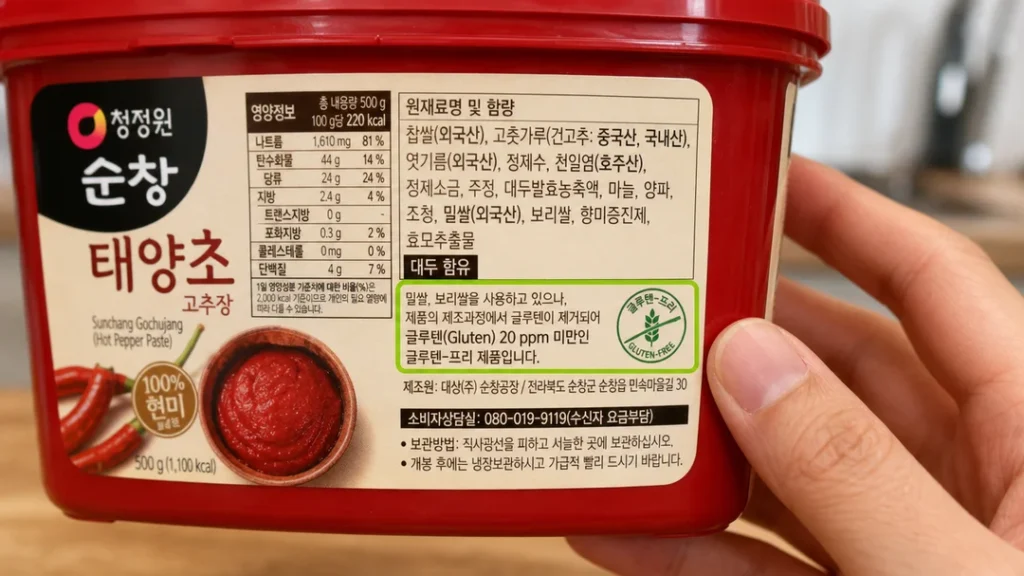
I used to think gochujang = chilies + fermented soy. Simple, right? Then Sarah flipped my CJ Haechandle tub around and pointed at the English allergen line: contains wheat and soy.
Most traditional gochujang is made with glutinous rice, fermented soy, chili — plus wheat or wheat-based sweeteners (like wheat flour, wheat starch, or syrup from wheat) to feed fermentation and round the flavor. That’s why my best gochujang brands guide warns beginners to check the exact tub: heat levels AND allergens change by product, not just by brand.
Two Korean words that save you:
- 밀 = wheat
- 소맥분 = wheat flour
- 보리 = barley (bonus)
If you see any of these in the ingredients, put the tub back. My phone trick: open the camera translator, point at the back label, and search for those three characters. Takes 10 seconds at H Mart and makes you look like a label detective. The ajummas respect it.
The good news: at least one mainstream option is marketed as gluten-free — Chung Jung One / O’Food’s gluten-free gochujang. I link the exact listing below. But listings change sellers and variants without warning, so verify the physical package says gluten-free when it arrives. If it doesn’t say it, don’t trust it.
The Soy Sauce Trap: Guk-Ganjang vs Yangjo vs Tamari
Korean soy sauce confuses everyone, and gluten makes it worse.
- Guk-ganjang (국간장, soup soy sauce): lighter color, saltier, for soups. Contains wheat in most brands.
- Yangjo-ganjang (양조간장, brewed) / Jin-ganjang (진간장): all-purpose dark soy. Also usually brewed with wheat.
- Tamari (Japanese-style, gluten-free labeled): thicker, less sweet, brewed mostly from soy. NOT the same taste as Korean soy — but the safest cooking swap.
Honest confession: tamari does not taste like my mom’s guk-ganjang in miyeok-guk (seaweed soup). It’s deeper and heavier. When Sarah visits, I use GF tamari at about 80% of the amount + a pinch more salt, and nobody complains. Is it identical? No. Is it delicious and safe? Yes. I’d rather serve slightly different soup than make my friend sick.
Never assume “light color = gluten-free” or “expensive = gluten-free.” Only the words gluten-free on the package count.
Doenjang: Fermented Doesn’t Mean Gluten-Free
Doenjang (된장) looks so wholesome — brown, earthy, grandma-approved. But most commercial doenjang lists soy PLUS wheat or barley, because grains help the long fermentation. My Sempio tub? Contains wheat and soy. My CJ tub? Same story.
This is the #1 mistake I see in English recipes: “substitute miso for doenjang 1:1, it’s gluten-free!” No — most miso also contains barley or wheat unless labeled GF. If you need a full breakdown of flavor differences, I wrote Is Doenjang the Same as Miso? — short answer: they taste different, and neither is automatically GF.
For Sarah’s doenjang-jjigae night, I skip the paste entirely and build a “cheater” savory soup: GF tamari + mushroom powder + a spoon of pure gochugaru + toasted sesame oil. It’s not doenjang-jjigae. I call it “Jina’s GF savory soup that makes everyone happy anyway.” She asks for seconds every time.
7 Naturally Gluten Free Korean Foods (Eat Freely, Check Once)
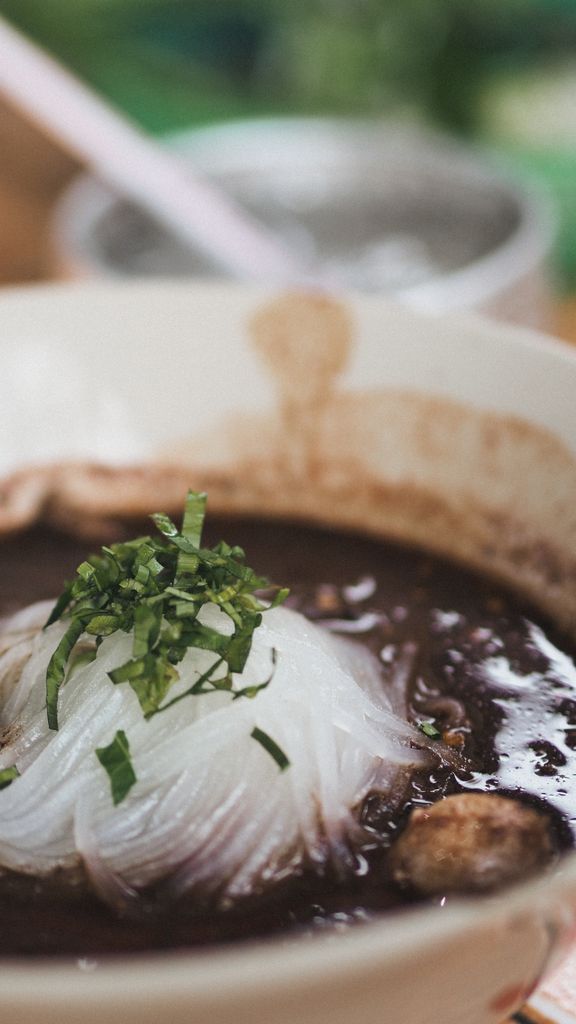
Here’s the happy part of asking “is Korean food gluten free” — these staples are naturally safe and form 80% of my GF-friendly Korean cooking:
- Gochugaru (고춧가루) — pure chili flakes. Spicy, smoky, fruity. Just buy pure flakes with one ingredient: red pepper. Check “may contain” line for celiac-level caution.
- Tteok (떡) — plain rice cakes. Ingredients should be rice + salt + water. Avoid pre-sauced packs (sauce = wheat trap).
- Dangmyeon (당면) — sweet potato glass noodles. One ingredient: sweet potato starch. Made for japchae nights.
- Gim (김) — plain roasted seaweed with salt + oil. Skip wild flavors (pizza! bulgogi!) for GF safety.
- Kimchi — standard napa kimchi (Jongga, Bibigo) is usually GF. I ranked 5 Amazon kimchis here — start with Jongga or Bibigo sliced.
- Toasted sesame oil + perilla oil — pure pressed oils. The nutty soul of Korean food, zero gluten.
- Short-grain rice + sweet rice — the base of everything. Obviously GF, but worth saying: a bowl of rice + GF kimchi + sesame oil + fried egg is already a perfect GF Korean meal.
My 10-minute GF meal when I’m lazy: hot rice, Jongga kimchi straight from the jar, a drizzle of sesame oil, crumbled gim, fried egg on top. Sarah calls it “the bowl that converted me.”
How to Read a Korean Label in 10 Seconds
You don’t need to learn Korean. You need exactly this:
- Flip to the back. Find the English allergen line first (most export tubs have one): “Contains: wheat, soy.”
- No English? Open phone translator → point at ingredients → look for 밀 / 소맥분 / 보리.
- Check the FRONT for the magic words: gluten-free / 글루텐프리. No magic words = not GF. Period.
- For online orders, screenshot the listing’s ingredient photo AND check the real package on arrival. Amazon sellers swap variants silently — I learned this with gochujang heat levels too.
UK / EU friends: same trick works on Amazon.co.uk and Amazon.de. Search “CJ Gochujang” or “O’Food gluten free gochujang” — the tubs are identical, prices are £5–£8 / €6–€8. Look for 고추장 (gochujang) vs 쌈장 (ssamjang) in Korean so you don’t buy dipping sauce by mistake. I only list US links below (my tag is US-only for now), but the label-reading skill travels everywhere.
For the full store comparison, see my Amazon vs H Mart vs Weee! guide — my routine is Amazon for dry pantry + H Mart for fresh, and that covers 95% of GF shopping too.
My Exact Gluten-Free Amazon Picks
I don’t copy prices or star ratings here — they change daily and mix sellers. Use each button to see the current listing, and match brand + product name + gluten-free words before ordering.
1. O’Food Gluten-Free Gochujang — the only tub I recommend for GF cooking
Mild, traditional-style paste marketed as gluten-free. Verify the package says gluten-free on arrival — listing text sometimes conflicts.
Check current label & price →
2. Gluten-Free Tamari — my soy sauce swap for soups and marinades
Use 80% of the Korean soy amount + salt to taste. Deeper flavor, but safe and savory.
Check price on Amazon →
3. Sweet Potato Glass Noodles (Dangmyeon) — naturally GF japchae noodles
Ingredients should be one item: sweet potato starch. Lasts forever in the pantry.
Check price on Amazon →
4. Pure Gochugaru Flakes — the GF-safe heat
One ingredient: red pepper. Fine flakes for sauces, coarse for kimchi. Start with a small bag — it stays fresh months in the freezer.
Check price on Amazon →
Tip: add all 4 to one cart to hit free shipping. They last 6–12 months and unlock bibimbap night, japchae night, and tteokbokki night (with a GF-labeled gochujang).
What I Cook When My Gluten-Free Friend Visits

Two menus that never fail:
Menu A — Bibimbap Night (naturally GF-able): rice + sautéed spinach/bean sprouts/carrots + fried egg + GF gochujang sauce (GF gochujang + sesame oil + vinegar + sugar). Everyone builds their own bowl. No one misses wheat.
Menu B — Japchae + Kimchi Jjigae Night (with swaps): japchae with dangmyeon + tamari (skip regular soy), kimchi jjigae with GF kimchi + no doenjang (use extra kimchi brine + tamari). Serve with rice and gim. Sarah scraped her bowl clean last time and asked for the recipe — which is the highest compliment a Korean home cook can get.
New to the pantry? Start with my Korean Pantry Essentials: 10 to Buy First and just swap the 3 pastes for the GF versions above.
Bottom Line: Is Korean Food Gluten Free?
- Pastes and soy sauce? Assume NO until labeled GF.
- Flakes, noodles, rice cakes, seaweed, oils, kimchi? Usually YES — check once, enjoy freely.
- Label trick: 밀 / 소맥분 / 보리 = put it back. Gluten-free on front = good to go.
- One cart: GF gochujang + tamari + dangmyeon + gochugaru covers 90% of GF Korean nights.
If you cook Korean food twice a month, keep those 4 always stocked. It fixes 80% of “I can’t invite my GF friend for dinner” problems.
Next reads:
Gochujang Substitute: 5 Tested Swaps · Where to Buy Korean Ingredients Online (Amazon vs H Mart vs Weee!) · Korean Pantry Essentials: 10 to Buy First
FAQ: Is Korean Food Gluten Free?
Is gochujang gluten-free?
Most gochujang tubs contain wheat, so they are not gluten-free. Buy only a package explicitly labeled gluten-free and verify the physical package on arrival — Amazon listings mix variants.
Is doenjang gluten-free?
Usually no. Most doenjang contains soy plus wheat or barley from fermentation. Don’t assume miso is safe either — most miso also contains barley/wheat unless certified GF.
What Korean ingredients are naturally gluten-free?
Pure gochugaru, plain rice cakes, sweet potato glass noodles, plain roasted seaweed, standard napa kimchi, sesame oil and perilla oil are usually gluten-free. Always check the “may contain” line if you have celiac disease.
Disclosure: This post contains affiliate links. I may earn a small commission at no extra cost to you if you buy through my links. I only recommend products I’ve bought with my own money. As an Amazon Associate I earn from qualifying purchases. Questions? Contact Jina →
Written by Jina Moon • Seoul-born, Washington-based. Labels read in my own kitchen with my phone translator and Sarah.
🛒 Make Tteokbokki Tonight
- Instant tteokbokki kit — street-food flavor in minutes → View on Amazon
- Tteokbokki rice cakes — chewy cylinders for homemade tteokbokki → View on Amazon
- Gochujang (Korean chili paste) — the backbone of Korean cooking → View on Amazon
