
Recipes
Korean recipes do not have to be complicated, even when you live far from a Korean grocery store. These are the recipes I actually cook for my family — tested in my own kitchen, written for beginners, and always with substitutions included for ingredients that are hard to find. If you’ve never cooked Korean food before, you’re in exactly the right place.
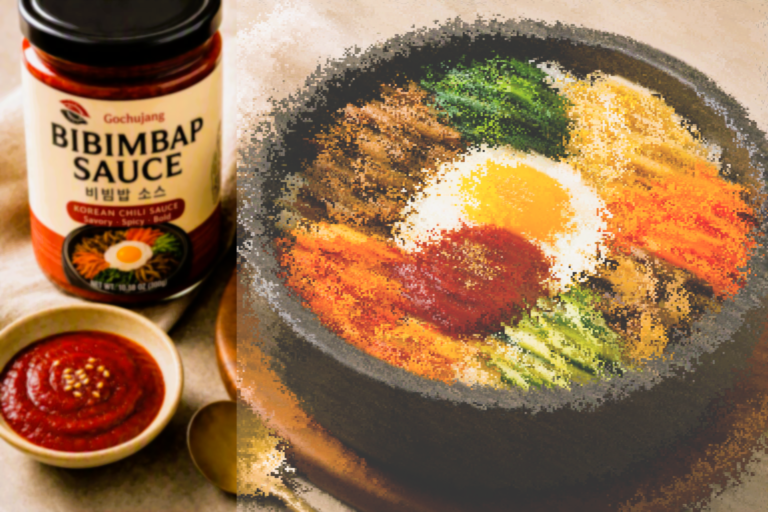

Korean Recipes Designed for Cooks Outside Korea
Many Korean recipes assume that you can walk into a neighborhood market and recognize every sauce, grain, noodle, and refrigerated rice cake. That is not realistic for everyone. This collection is written for home cooks in the United States, Canada, the United Kingdom, Europe, and other places where Korean ingredients may be expensive, confusing, or difficult to find.
Each guide explains what the important ingredients do before asking you to buy them. You will learn which products are essential, which substitutions keep the dish close to its original character, and which swaps change the result too much. When the authentic ingredient is worth finding, the guide points you toward practical shopping options instead of pretending that every supermarket carries it.
What You Will Find in These Korean Recipes
- A clear shopping list: Know which ingredients matter before you begin.
- Realistic substitutions: Use alternatives chosen for flavor and function, not just appearance.
- Product guidance: Understand labels, package sizes, storage needs, and common buying mistakes.
- Beginner-friendly instructions: Follow practical steps without assuming prior knowledge of Korean cooking.
- Serving and storage tips: Learn how the dish is usually eaten and how to handle leftovers safely.
For a quick example, start with the tteokbokki recipe. It explains how to choose rice cakes, adjust the sauce, and make the dish when your local store has limited options. If an ingredient in another recipe is unavailable, check the Korean ingredient substitutes guide before replacing it.
How to Choose Your First Korean Recipe
Begin with a dish that matches the ingredients and equipment you already have. A recipe built around rice, noodles, eggs, or a familiar vegetable is usually easier than one requiring several specialty items. Read the full guide once before shopping, check whether refrigerated or frozen ingredients are required, and confirm that your cookware is suitable for the heat source in your kitchen.
Do not judge all Korean recipes by a single bottle of sauce or one restaurant meal. Gochujang-based dishes can be sweet and spicy, clear soups can be mild and savory, fermented pastes can taste deep and earthy, and grilled foods may be simple and smoky. Exploring different categories will give you a much better picture of Korean home cooking.
If you need help shopping, use the guide to buy Korean ingredients online. You can also learn how to check allergens, dates, origin, and storage instructions in the Korean food label guide.
Korean Recipe Questions
Do I need every authentic ingredient?
No. Some Korean recipes depend on one defining ingredient, while others allow several practical substitutions. The individual guide explains the difference so you can decide whether to substitute, order the original product, or choose another dish.
Are these recipes very spicy?
Not all Korean food is spicy. When a dish uses gochujang or gochugaru, the recipe explains how those ingredients affect flavor as well as heat. Reducing them may also reduce sweetness, color, salt, or body, so adjustments should be made carefully.
Can I cook Korean food without special cookware?
Usually, yes. A regular saucepan, skillet, rice cooker, or sturdy pot can handle many dishes. Traditional cookware can improve presentation or heat retention, but the recipe will say when a specific tool genuinely matters.
As this collection grows, new Korean recipes will continue to follow the same rule: explain the ingredient first, offer honest alternatives, and help you avoid wasting money on the wrong product.