

Korean Ingredients & Substitutes: Essential Pantry Staples Explained
POV: the recipe wants gochujang, doenjang, gochugaru and “a splash of mirim,” and the nearest Korean market is a two-hour round trip. Breathe. We start here.
This is my map of the Korean pantry: what each jar actually does, which swaps hold up, and where to buy the real thing online. I spent years cooking Korean food abroad with half a pantry, so this is written for the cook with a supermarket down the street, not an H Mart.
Everything is sorted onto four shelves below.
Explore the Korean Ingredients & Substitutes Topic Cluster
Pick a shelf. Each card is one jar family, so you never have to read about mirim when your problem is gochujang. All guides are below the cards.
2. Doenjang (Soybean Paste) & Miso Swaps
3. Chili Flakes, Fermented Staples & Cooking Wines
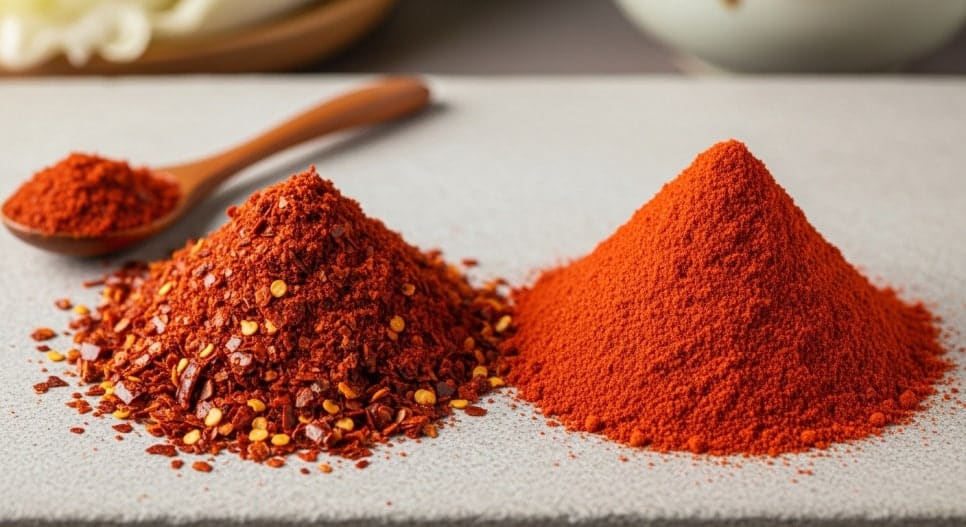
Best Gochugaru Brands: Coarse vs Fine, 6 Tested (2026)
Coarse or fine? Grab the wrong gochugaru and your kimchi turns into a sad orange salad. Here’s the bag to buy.
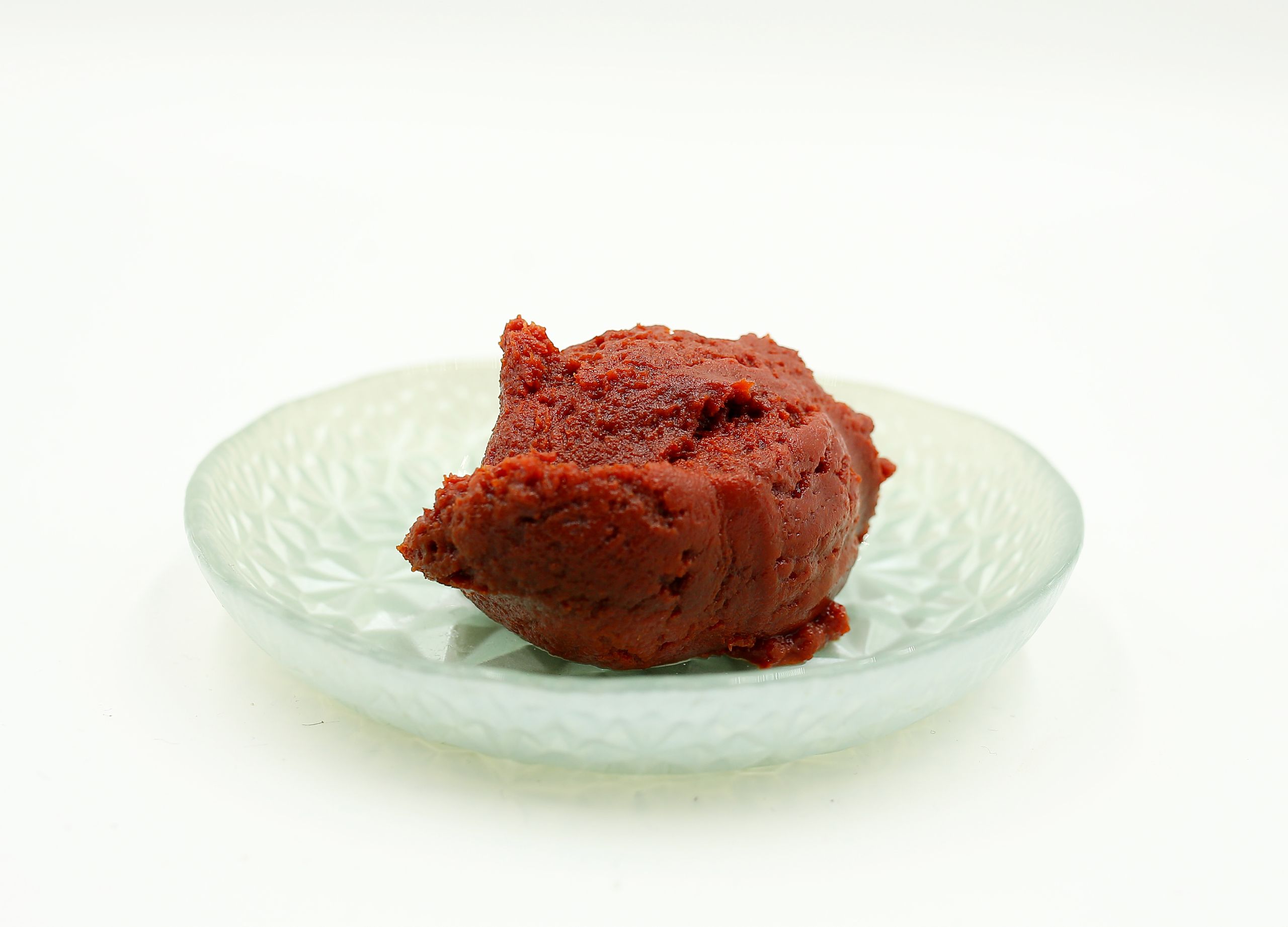
Best Doenjang on Amazon: 5 Tubs Tested (2026)
Five doenjang tubs, one winner, zero miso confusion. The Korean soybean paste that deserves your fridge space.

Bibigo Gochujang Review: Taste Test & When to Buy (2026)
Bibigo gochujang: the real deal or a squeeze-bottle imposter? What it tastes like and when to grab it over a tub.

Is Korean Food Gluten Free? Safe Dishes, Hidden Wheat (Even Kimchi) and 4 Easy Swaps
Is Korean food gluten-free? Mostly no, and soy sauce is the sneaky villain. Here’s how to eat Korean without the guesswork.
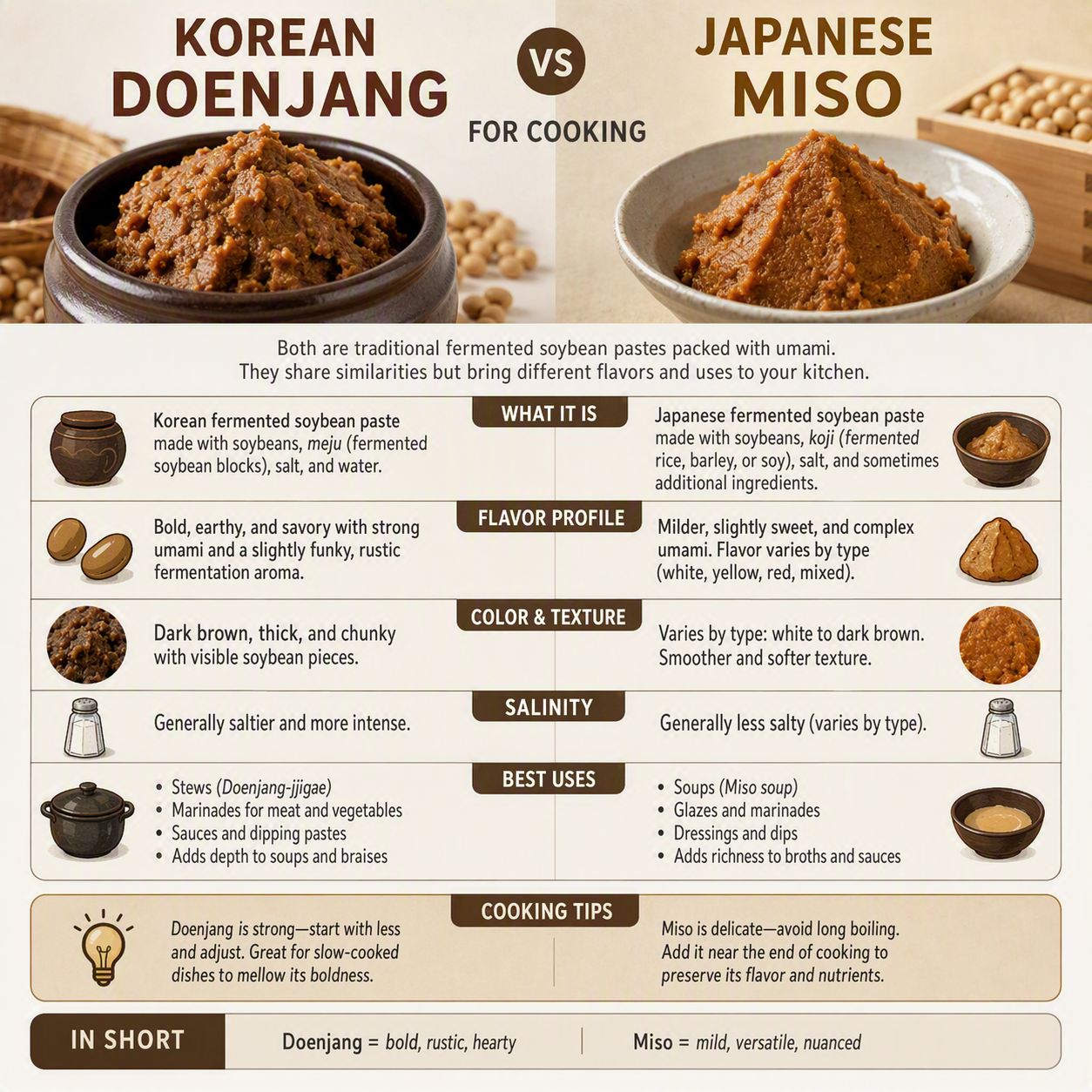
Is Doenjang the Same as Miso? No — Here’s How I Use Each
Doenjang vs miso: siblings, not twins. Swap them wrong and your stew will know. Here’s how each one really works.
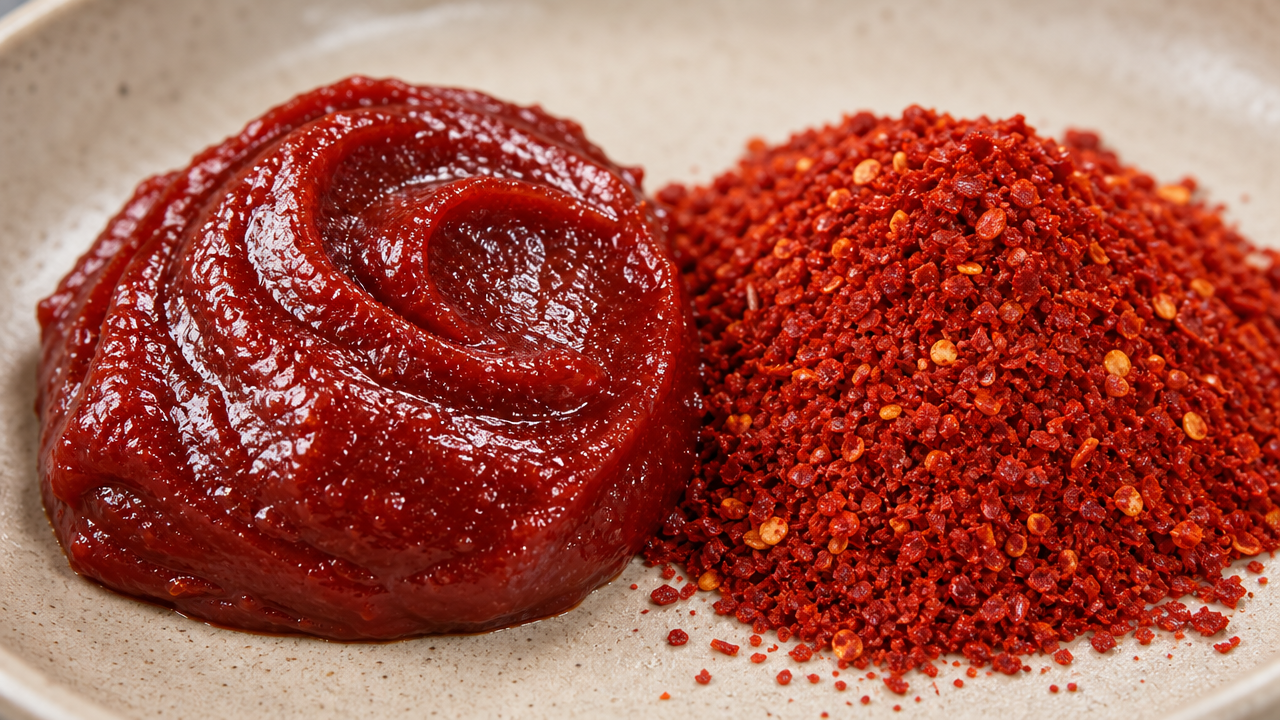
What Is Gochujang? A Beginner’s Guide to Taste, Types & Use
It’s not spicy ketchup. What gochujang really is, how it tastes, and which tub to buy, explained in 3 minutes.
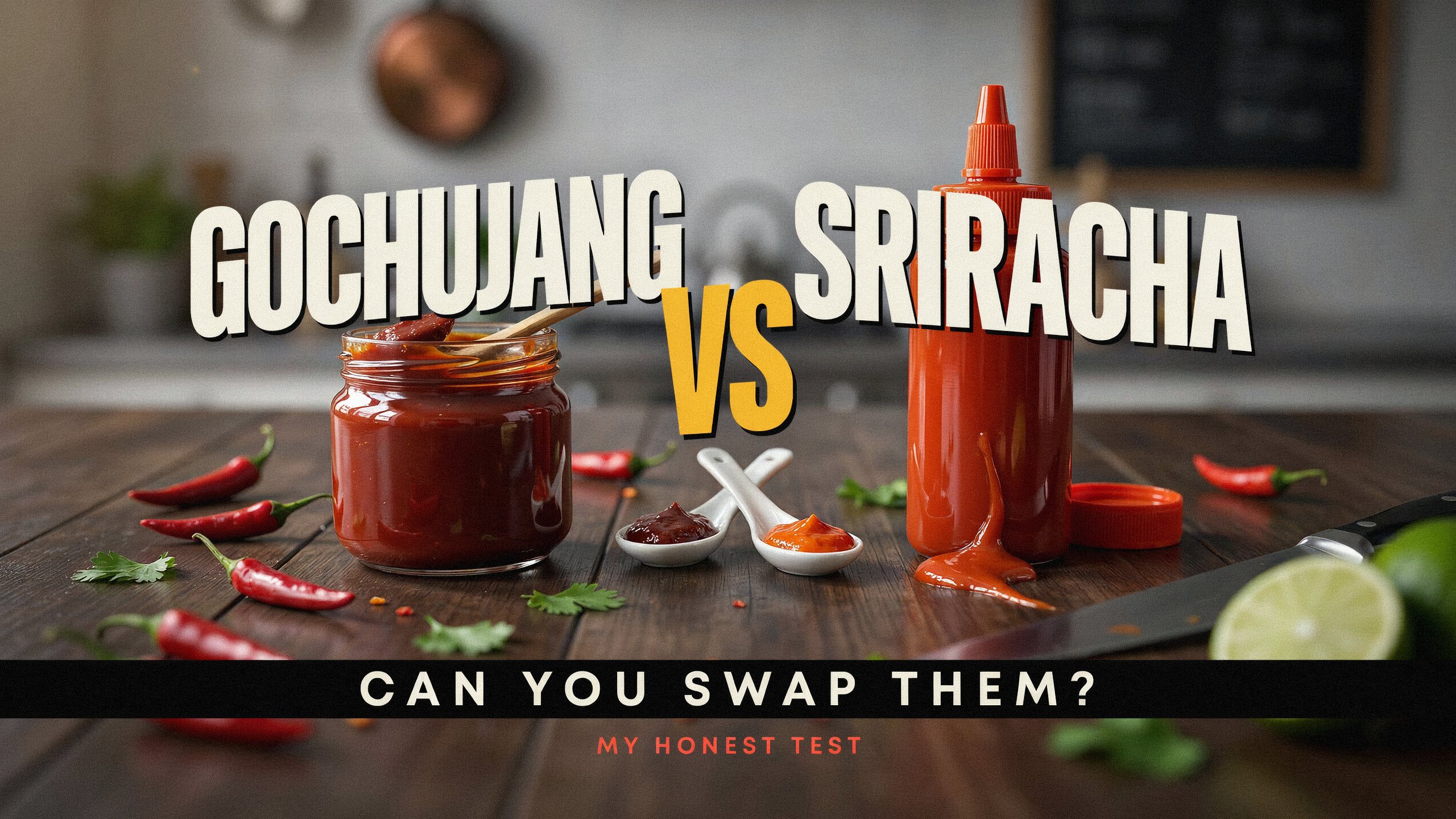
Gochujang vs Sriracha: Can You Swap Them? My Honest Test
Can sriracha replace gochujang? Sometimes. But your tteokbokki deserves better. When it works, when it flops, exact ratios.
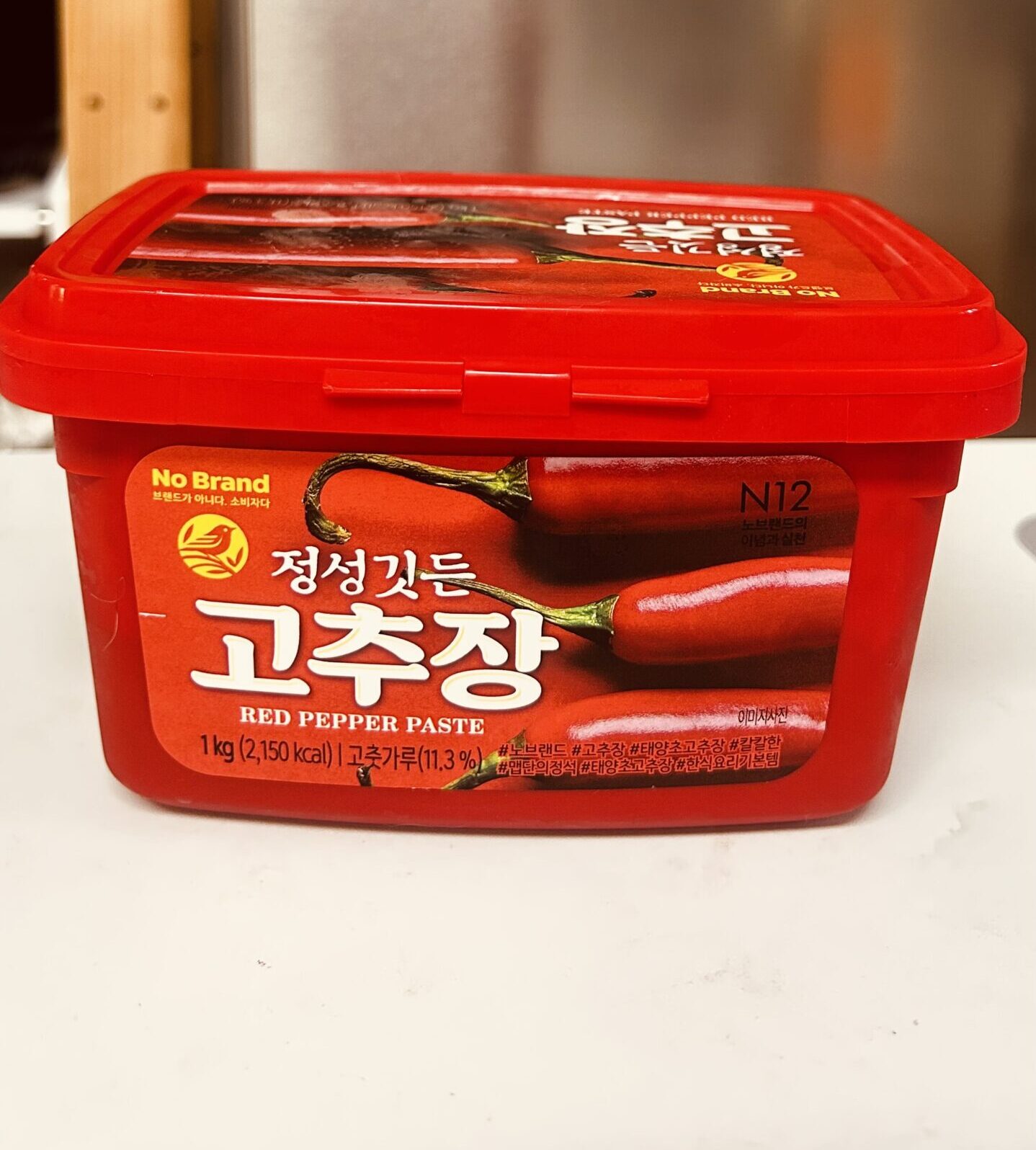
Best Gochujang Brands, Tested: 6 Tubs Ranked (2026)
Not all red tubs are equal. The gochujang brands worth buying on Amazon, ranked, plus the label trap to avoid.
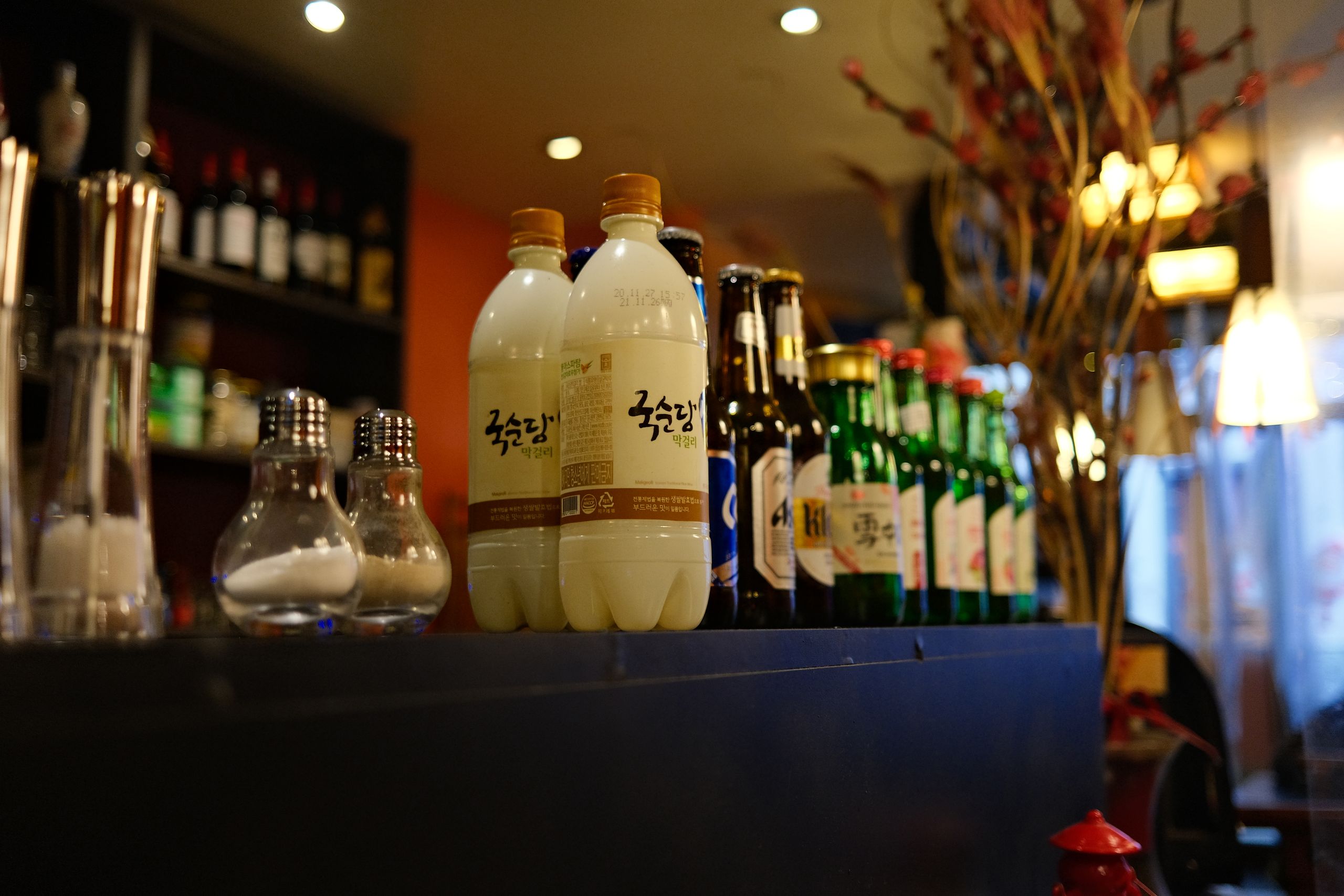
Korean Cooking Wine: Mirim(matsul) + 5 Substitutes
Mirin, mirim, cheongju, soju: which ‘cooking wine’ does your Korean recipe actually want? Decoded in one table.
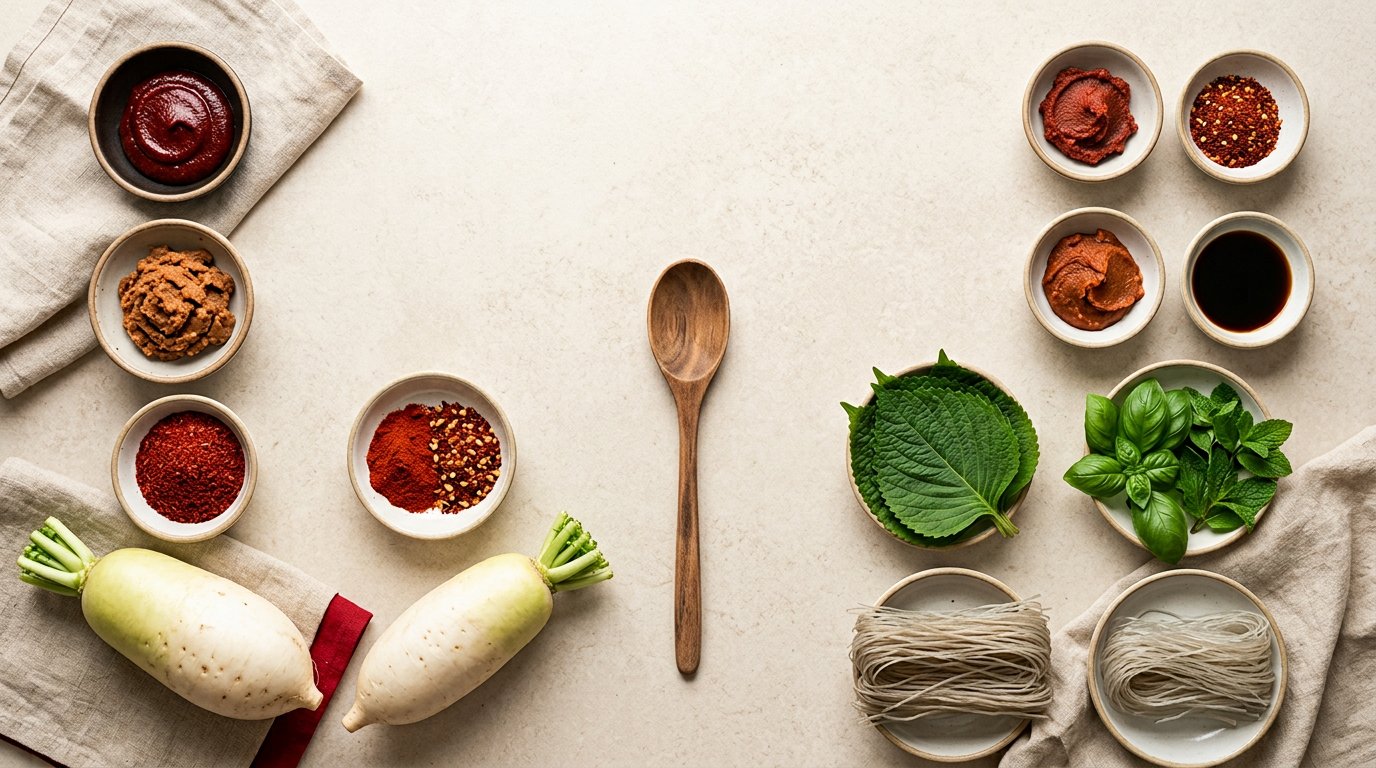
Korean Ingredient Substitutes: 19 Swaps That Work
Recipe says gochujang, fridge says ketchup. 19 Korean ingredient swaps that actually work, with starting ratios.
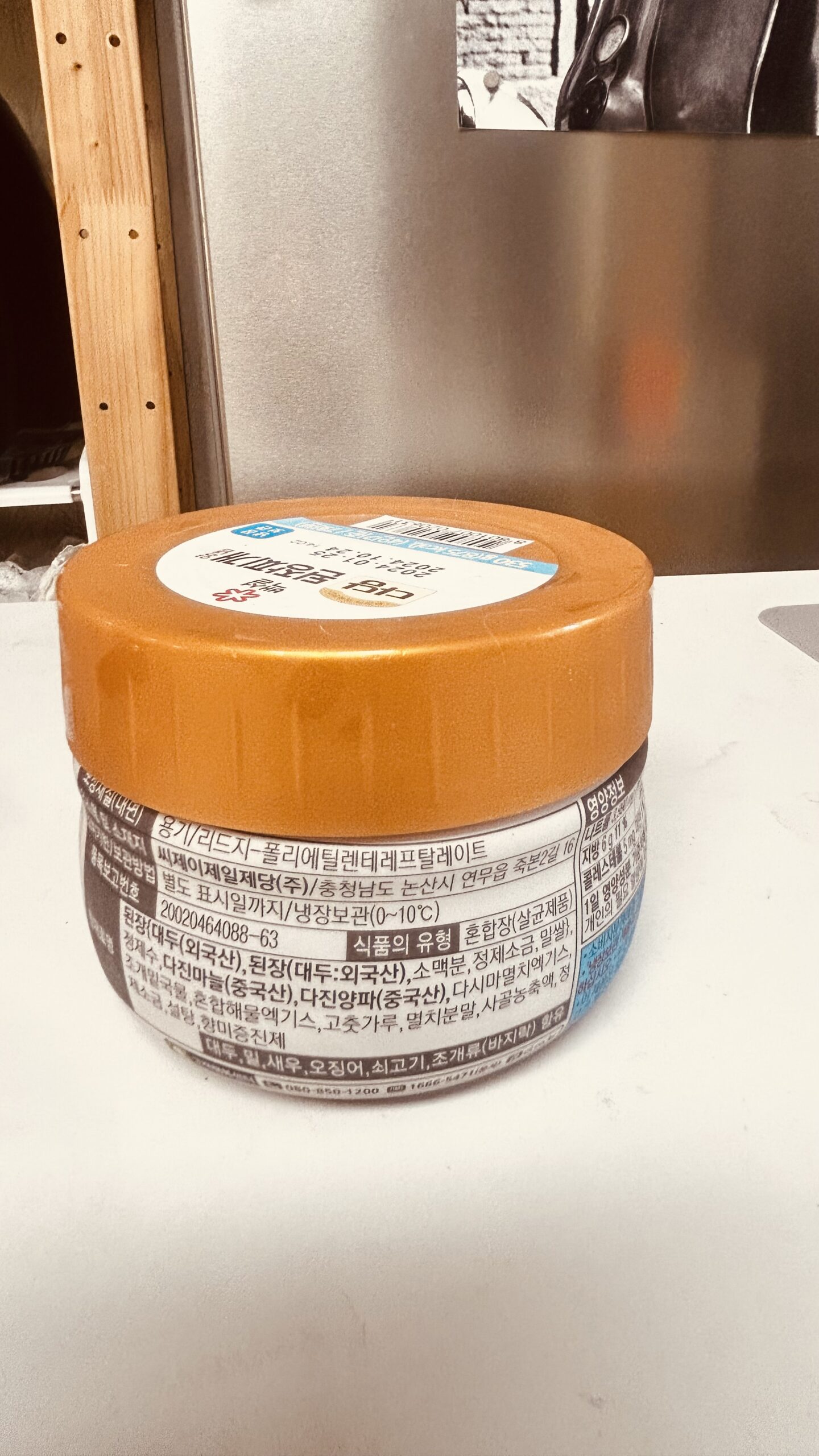
How to Read Korean Food Labels: The 7 Words That Matter
Two identical red tubs, one wall of Hangul? Learn the 7 Korean label words that tell you what’s inside: wheat, seafood, origin…
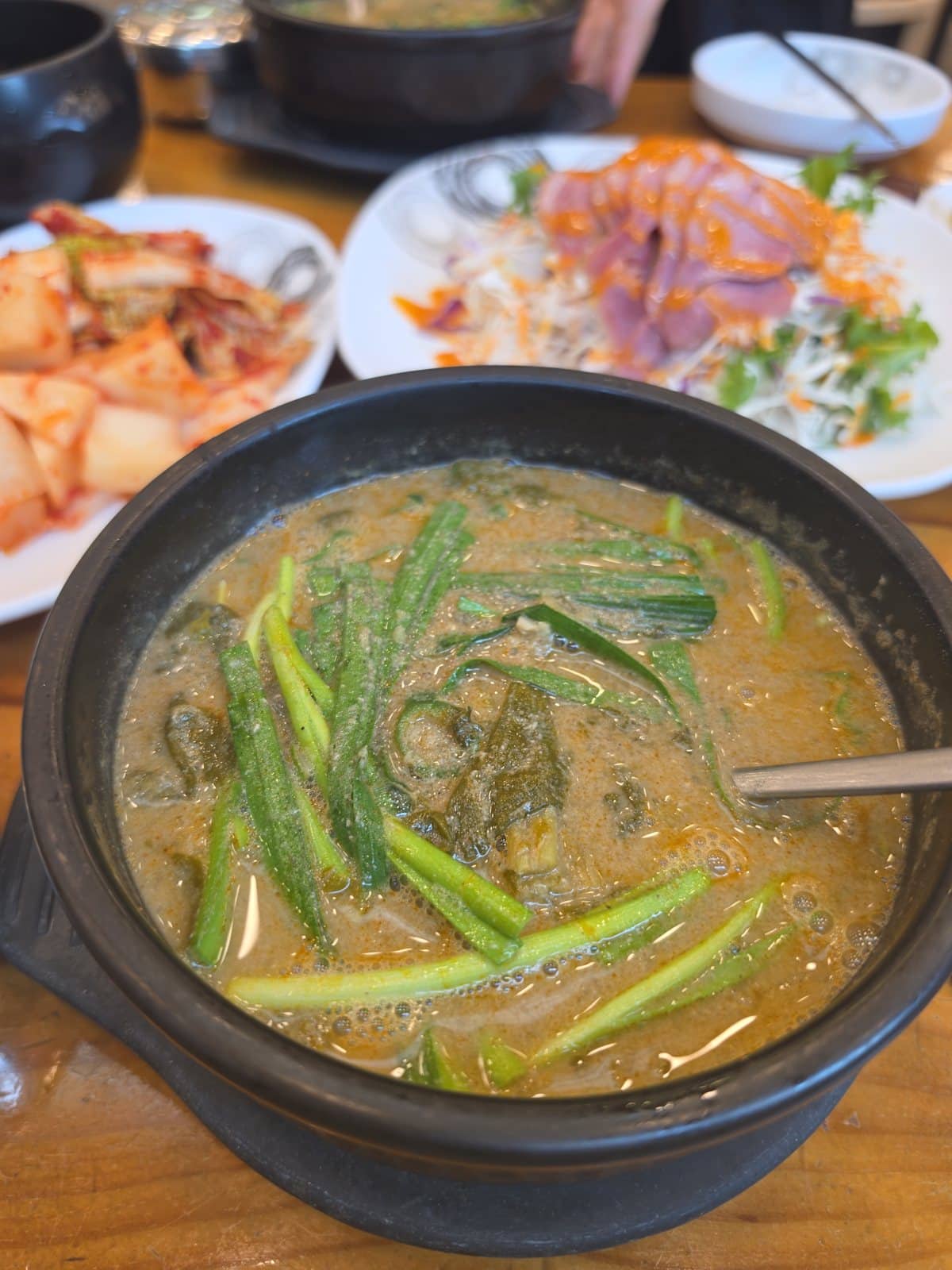
Doenjang Substitute Calculator: 5 Tested Ratios (2026)
Doenjang tub empty mid-jjigae? Don’t cancel dinner. Red miso 1:1, soy sauce only after tasting, ssamjang for dips, plus a calculator so…
Korean Ingredients and Substitutes for Cooking Abroad
Nobody: … Me, years ago abroad: buying a 1 kg tub for one recipe. Learn from my fridge.
You do not need 40 jars. A Korean pantry runs on a small crew: gochujang, doenjang, soy sauce, toasted sesame oil, rice, noodles, garlic and something for stock. Add the specialty stuff only when a recipe really leans on it.
- Fermented pastes: gochujang brings chile, sweetness, salt and funk. Doenjang brings earthy fermented soy. They are not interchangeable. Please.
- Chile: gochugaru gives heat, color and a sweet dried-pepper taste. Cayenne gives heat and regret.
- Seasoning liquids: Korean soy sauces, fish sauces, cooking wines and rice syrups differ in salt, sweetness and smell. Same-looking bottle, different job.
- Grains and noodles: starch and thickness change the texture as much as the sauce does.
- Dried and chilled foods: seaweed, anchovies, rice cakes and tofu. Check storage and dates before you buy the big bag.
Need a fast answer? Start with the Korean ingredient substitutes guide. Out of a paste right now? Go straight to the gochujang substitute or doenjang substitute page. Both have calculators.
How to Choose a Korean Ingredient Substitute
A swap that matches the color but not the job is just cosplay.
Match what the ingredient does, not what it looks like. For a fermented paste, think about salt, sweetness, thickness and funk one at a time. For noodles or rice cakes, texture matters more than seasoning. For cooking wine, ask what the recipe wants: aroma, sweetness, or help with fishy smells.
Change one thing at a time, start with less, and taste before you add more. Soups and marinades are very hard to un-salt. My Korean cooking wine guide shows why two bottles that look like twins on the shelf act nothing alike in the pan.
Buying and Reading Korean Food Labels
The English on the front is marketing. The Korean on the back is the truth.
Check the category name, ingredients, allergens, country of origin, storage and date format. The Korean category word usually tells you more than the English slogan. And a giant tub is only a bargain if you finish it before the date does.
The Korean food label guide shows where each of those lives on the pack. Ready to shop? Compare stores in my guide to buying Korean ingredients online.
For products sold in the United States, the FDA guide to the Nutrition Facts label explains serving sizes, nutrients and daily values.
Korean Ingredient Questions
Do I need to buy Korean brands?
Not for everything. Rice, garlic, onions, eggs and most vegetables can come from any good store. Gochujang, doenjang, gochugaru and rice cakes are where the category really changes the dish.
Are Korean ingredients always spicy?
No. Soy sauce, sesame oil, seaweed, tofu, rice, noodles, doenjang and clear broths are all mild. Even the red dishes run from “cute” to “call your mom.”
What should I buy first?
Pick two or three dishes you will actually cook this month and buy for those. One paste that shows up in three dinners beats a specialty jar you open once and then avoid eye contact with.
Unnie’s rule for this whole library: what it does, what replaces it, where to get it, and how not to waste money on the wrong tub.
Stocking a Korean pantry? Kimchi is usually the first thing to get right. My store-bought kimchi taste test tells you which jar to start with.
Looking for everything instead? Browse all Korean food guides by topic, including the buying guides and culture explainers.