
Ingredients & Substitutes
Korean ingredients and substitutes are easier to understand when you know what each ingredient contributes — and this is where I explain what each one does, which brands to look for, and what to use when you can’t find the real thing. Because telling you to “just buy gochujang” isn’t helpful advice when your nearest Korean market is two hours away.
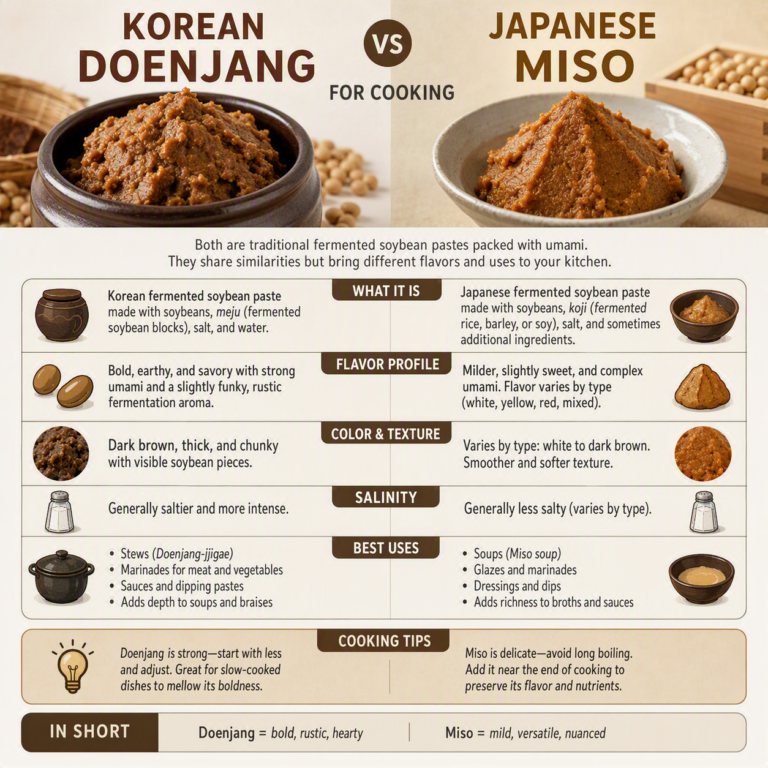
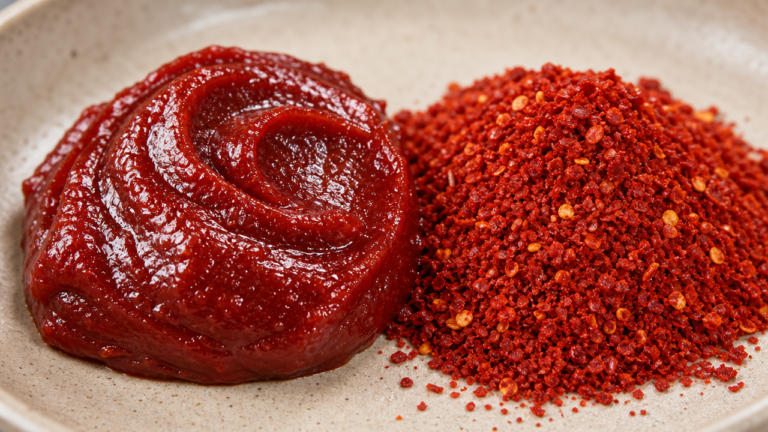

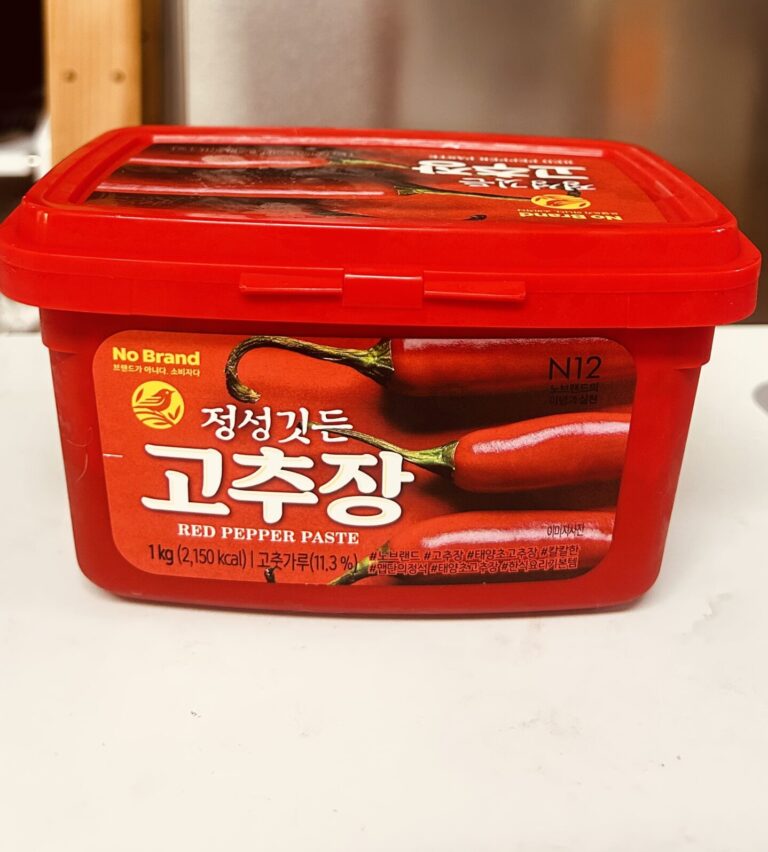

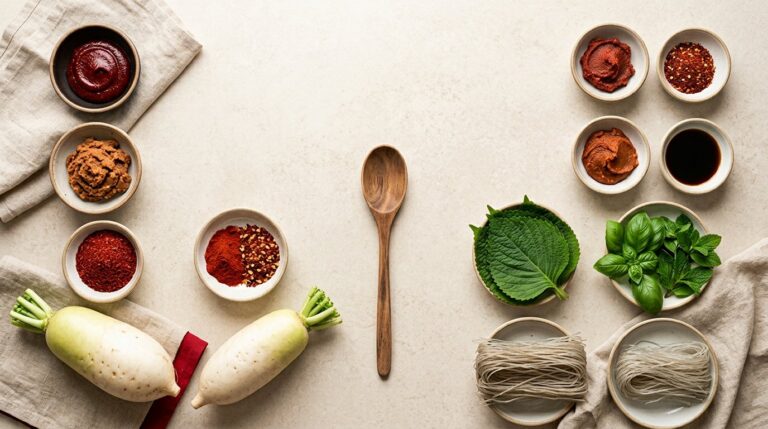
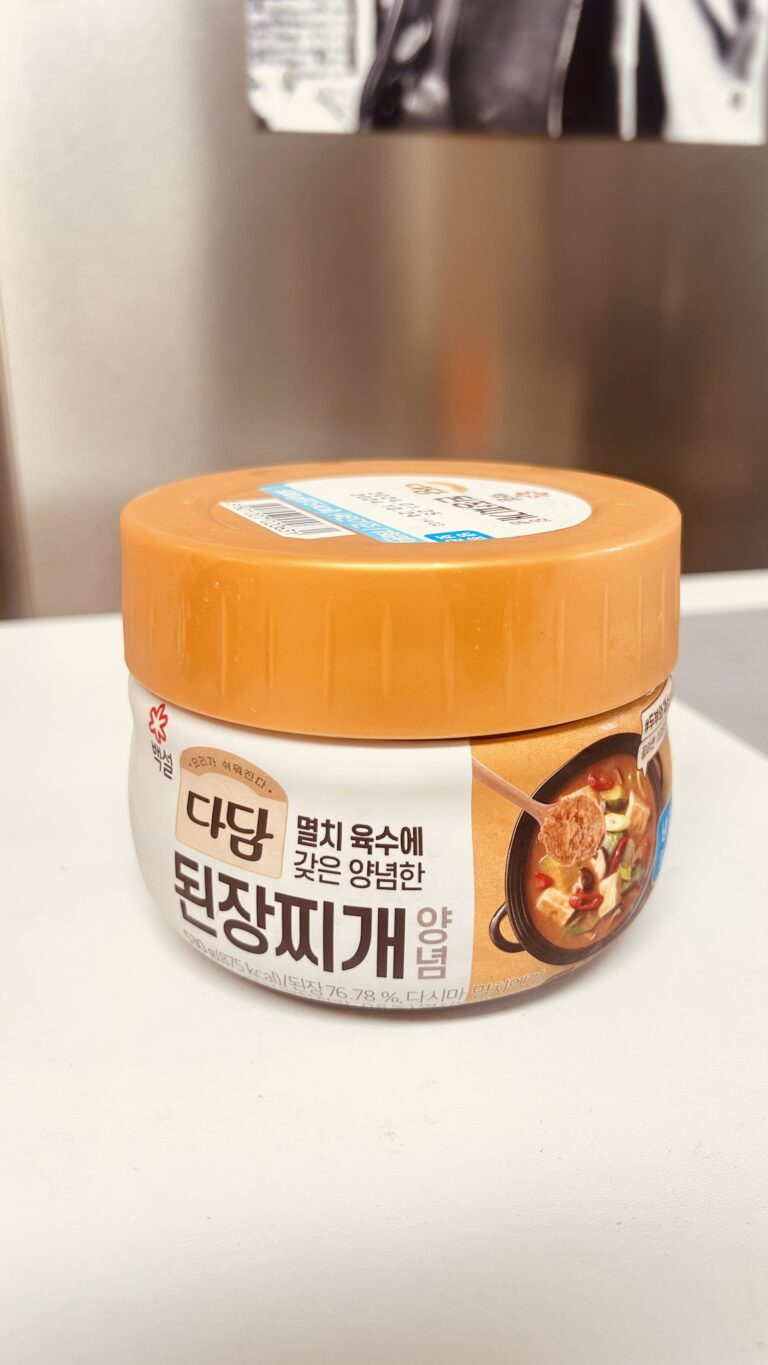
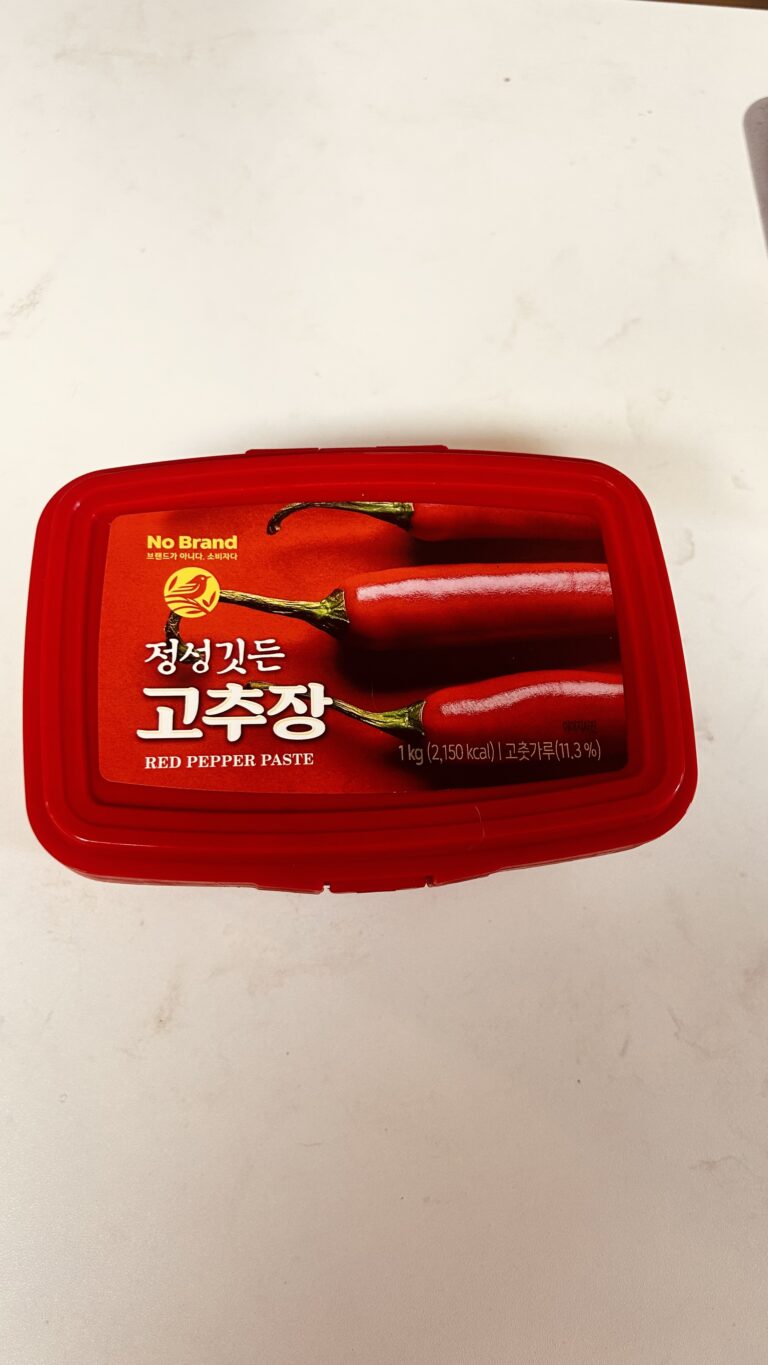
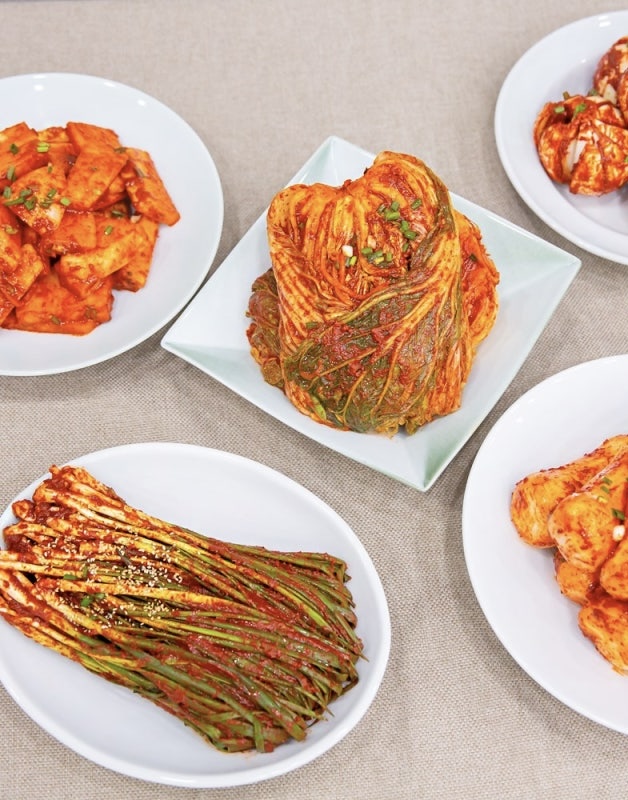
Korean Ingredients and Substitutes for Cooking Abroad
A Korean pantry does not need to begin with dozens of unfamiliar jars. A small group of sauces, fermented pastes, grains, noodles, oils, and dried ingredients can cover many everyday dishes. The useful question is not simply, “Is this authentic?” It is, “What job does this ingredient perform, and what changes if I replace it?”
These guides explain Korean ingredients and substitutes by flavor, texture, salt level, fermentation, heat, and cooking function. That makes it easier to choose a sensible alternative when a product is unavailable and to recognize situations where there is no close replacement. It also helps you avoid buying a large package for one recipe when a smaller or more versatile option will work.
How to Build a Practical Korean Pantry
Start with ingredients that appear across several dishes instead of buying everything at once. Gochujang, doenjang, soy sauce, toasted sesame oil, rice, noodles, garlic, and a dependable stock ingredient can form a useful foundation. Add specialty products only when a recipe genuinely depends on them.
- Fermented pastes: Gochujang contributes chile, sweetness, salt, and fermentation, while doenjang provides an earthy fermented-soy flavor.
- Chile products: Gochugaru can add heat, color, and a particular dried-pepper character without behaving exactly like cayenne or generic chile flakes.
- Seasoning liquids: Korean soy sauces, fish sauces, cooking wines, and rice syrups vary in salt, sweetness, aroma, and intended use.
- Grains and noodles: Rice variety, noodle starch, thickness, and cooking method can change texture as much as the sauce does.
- Dried and refrigerated foods: Seaweed, anchovies, rice cakes, tofu, and fermented products require attention to storage and freshness.
If you need a quick starting point, use the Korean ingredient substitutes guide. For two of the most common fermented pastes, compare the dedicated gochujang substitute and doenjang substitute tests.
How to Choose a Korean Ingredient Substitute
A good substitute should match the ingredient’s main function, not just its color. When replacing a fermented paste, consider salt, sweetness, thickness, and fermented flavor separately. When replacing a noodle or rice cake, texture may matter more than seasoning. For cooking alcohol, decide whether the recipe needs aroma, sweetness, acidity, or help reducing strong meat and fish smells.
Change one variable at a time and begin with less than the original amount. A replacement may be saltier, sweeter, hotter, or more concentrated. Taste before adding more, especially in soups, marinades, and dipping sauces that become difficult to correct later. The Korean cooking wine guide demonstrates why products that look similar on a shelf do not always behave the same way in a recipe.
Buying and Reading Korean Food Labels
Check the category name, ingredient list, allergens, country of origin, storage instructions, and date format before buying. English marketing terms can be vague, while the Korean product category often gives a clearer clue about what is inside. Package size also matters: a low unit price is not a bargain if the product spoils before you can use it.
The Korean food label guide explains where to find this information. When you are ready to shop, compare specialist grocers and major online sellers in the guide to buy Korean ingredients online.
For products sold in the United States, the FDA guide to the Nutrition Facts label explains how to read serving sizes, nutrients, and daily values.
Korean Ingredient Questions
Do I need to buy Korean brands?
Not for every ingredient. Rice, garlic, onions, eggs, and many vegetables can come from any reliable local source. Category-specific products such as gochujang, doenjang, gochugaru, and Korean rice cakes are more likely to differ in ways that noticeably affect the dish.
Are Korean ingredients always spicy?
No. Korean cooking uses many mild ingredients, including soy sauce, sesame oil, seaweed, tofu, rice, noodles, fermented soybean paste, vegetables, and clear broths. Even red dishes vary widely in heat.
What should I buy first?
Choose products for two or three dishes you already plan to cook. A versatile sauce or paste that appears in several meals is a better first purchase than a specialty item with one narrow use. Build the pantry gradually as you learn which flavors your household enjoys.
As this library grows, every guide will continue to explain Korean ingredients and substitutes with the same priorities: what the product does, what can replace it, where to find it, and how to avoid an expensive mistake.
If you’re stocking a Korean pantry, kimchi is usually the first thing to get right — see my full store-bought kimchi taste test for which jar to start with.