

POV: you ordered “just rice, meat and vegetables” at a Korean restaurant, felt very safe, and then the waiter brought the sauce.
The ingredients often are. The sauces usually aren’t.
Rice, plain meat, most vegetables, sweet potato noodles and plain rice cakes start out gluten-free. Then Korean cooking adds gochujang, doenjang and soy sauce, and most supermarket versions of all three contain wheat. So the rule is simple: trust the ingredient, check the sauce.
I’m a home cook, not a doctor. If you have celiac disease, use packages labeled gluten-free, ask your doctor, and read the actual package in your hand.
Below: which Korean dishes are usually safe, which have sneaky wheat (kimchi and tteokbokki included, sorry), the 5 Korean label words to look for, and the four swaps that rescue most Korean dinners at home.
The dish cheat sheet
Green means “ask once.” Red means wheat is the main character.
| Dish | Usually | Where the wheat hides |
|---|---|---|
| Plain grilled pork belly (samgyeopsal) | Safe-ish | Ssamjang dip. Ask for salt + sesame oil (gireumjang) instead. |
| Steamed rice, plain gim, raw veggies | Safe-ish | Flavored seaweed snacks |
| Japchae | Depends | Noodles are sweet potato starch, but the seasoning is soy sauce |
| Bibimbap | Depends | Gochujang on top; namul seasoned with soy sauce |
| Kimchi | Depends | Some recipes use a wheat-flour paste in the seasoning |
| Bulgogi, galbi | Trap | Soy sauce marinade |
| Tteokbokki | Trap | Gochujang sauce, and the rice cakes may be wheat |
| Naengmyeon | Trap | Noodles usually mix buckwheat with wheat flour or starch |
| Ramyeon, kalguksu, jjajangmyeon, sujebi | Trap | Wheat noodles or dough |
| Korean fried chicken, jeon (pancakes) | Trap | Wheat batter |
| Doenjang-jjigae, kimchi-jjigae | Trap | Doenjang, gochujang, soy sauce in the broth |
Is kimchi gluten free?
Plot twist nobody wanted: the vegetable dish can have flour in it.
Cabbage, radish, chili flakes, garlic: all fine. But kimchi seasoning gets thickened with a cooked starch paste, called pul (풀), so the chili sticks to the leaves. Many Korean families use glutinous rice flour (chapssal-pul). Plenty of others use plain wheat flour (milgaru-pul). Both are completely normal here, and you can’t tell by looking. Some brands also add fish sauce or seasoning mixes that can contain wheat.
So: store-bought kimchi, read the ingredients every time. Homemade or restaurant kimchi, ask “chapssal-pul or milgaru?” and you’ll get either an answer or a very impressed auntie. Kimchi brand comparison: my store-bought kimchi ranking.
Is doenjang gluten free? (And gochujang, and soy sauce)
The three jars that hold up Korean cooking are also the three that usually say “contains wheat.” Rude.
- Doenjang: traditional homemade doenjang (jaeraesik) is basically soybeans and salt. Most factory tubs add wheat or wheat flour, sometimes barley. Same name, different recipe, so read the tub. And no, miso isn’t a safe swap by default: many misos use barley or wheat too. Doenjang vs miso
- Gochujang: most tubs list wheat or wheat-based syrup. A few are labeled gluten-free; that label is the only one that counts. Gochujang brands compared
- Soy sauce: the everyday dark kind (yangjo or jin-ganjang) is brewed with wheat. Traditional soup soy sauce (joseon-ganjang) is made from fermented soybeans and salt, but many supermarket “soup soy sauce” bottles blend in brewed soy sauce. For cooking, a soy sauce labeled gluten-free is the easy swap. It tastes a bit deeper and less sweet; start with a little less and adjust.
Are Korean noodles gluten free?
One yes, a lot of nopes, and one that pretends to be healthy buckwheat.
Dangmyeon (sweet potato glass noodles, the ones in japchae) are usually 100% sweet potato starch. Check that the ingredient list has one item. Naengmyeon looks like buckwheat, and it is, partly, but most noodles mix buckwheat with wheat flour or starch for chew. Ramyeon, kalguksu, jjajangmyeon, jjolmyeon and somyeon are wheat.
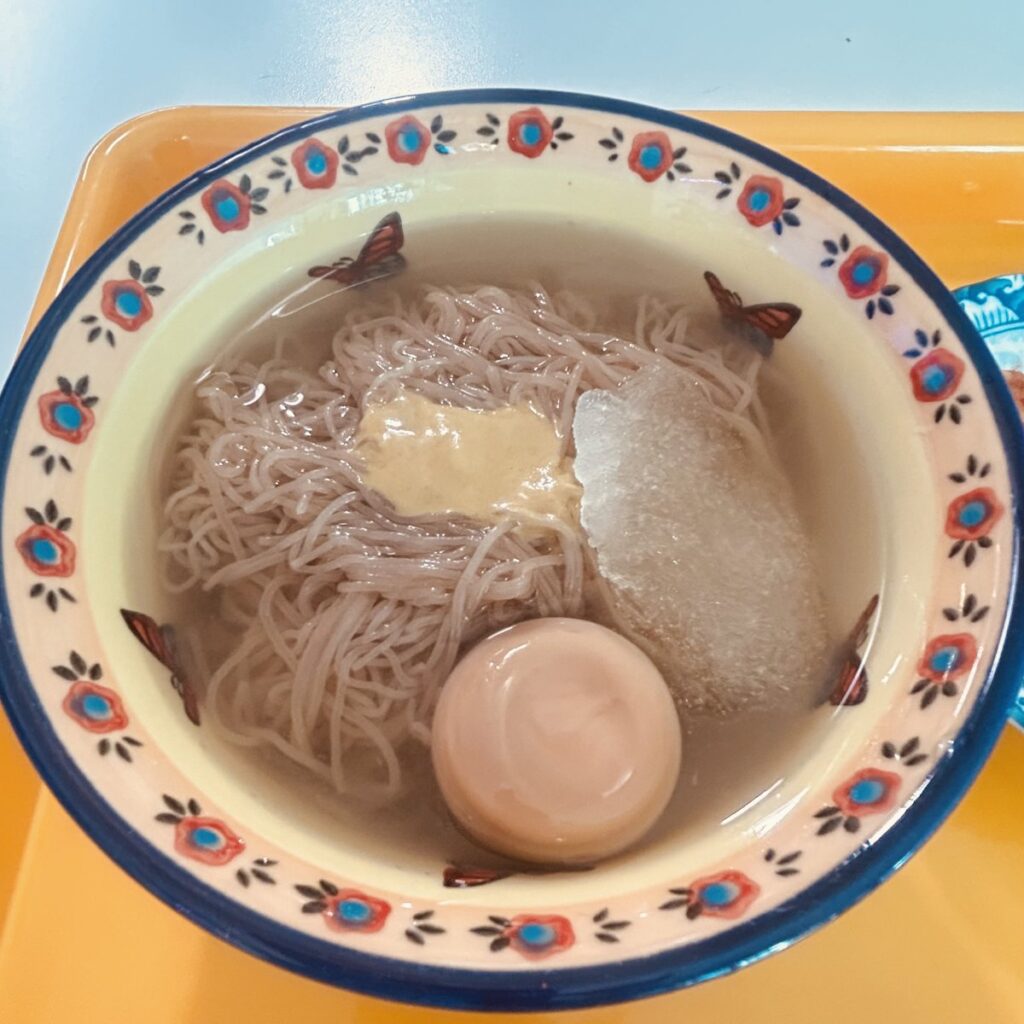
The tteokbokki trap: rice cakes made of wheat
Koreans genuinely argue about this one. Team rice vs team wheat is a real thing.
“Rice cake” sounds safe, but tteokbokki can be made with ssal-tteok (rice) or mil-tteok (wheat). A lot of street stalls and school-snack-style shops use wheat tteok because it’s softer and soaks up sauce, and people here have strong opinions about which is better. Even with rice tteok, the sauce is gochujang. For gluten-free tteokbokki: plain rice tteok + a gluten-free gochujang, made at home.
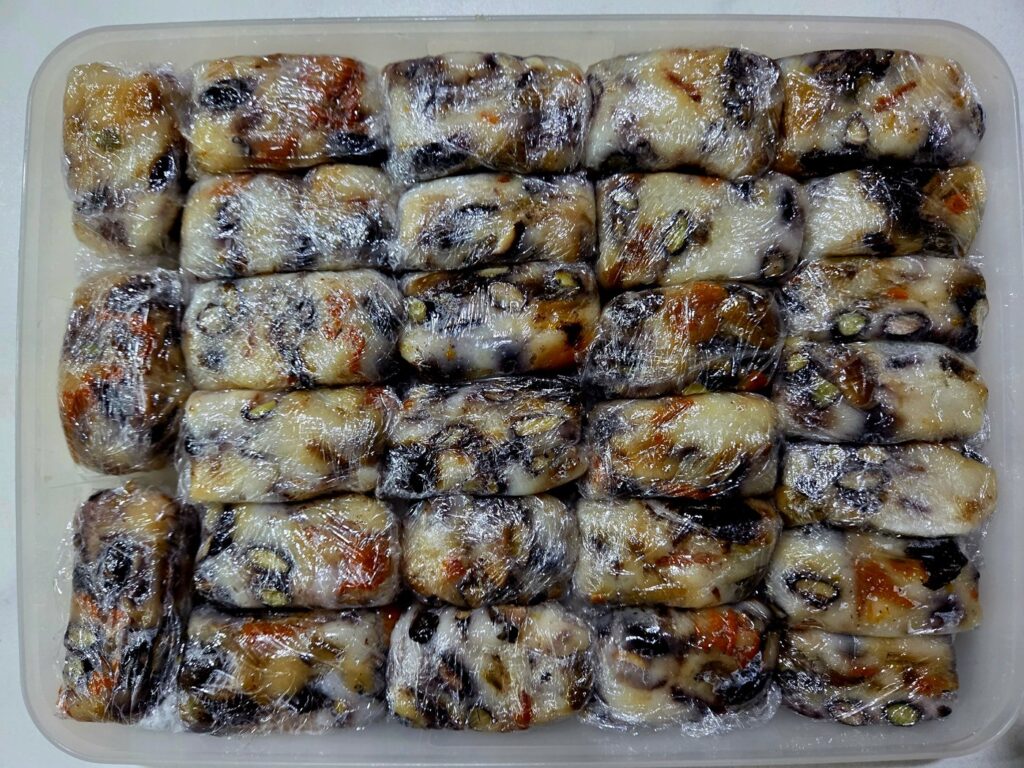
Traditional rice cakes from a tteok shop (tteokjip) are a better bet: chapssal-tteok is glutinous rice with beans and jujube. Still ask, because some shops mix flours or add fillings.
5 Korean label words that mean “put it back”
You don’t need to read Korean. You need to recognize five shapes.
| On the label | Means |
|---|---|
| 밀 (mil) | wheat |
| 소맥분 (somaekbun) / 밀가루 (milgaru) | wheat flour |
| 보리 (bori) | barley |
| 맥아 (maega) | malt, usually barley |
| 호밀 (homil) | rye |
Korean packages list allergens in their own line, usually like “밀, 대두 함유” (contains wheat, soy). There’s often a second sentence saying the product is made in the same facility as wheat products (같은 제조시설). That cross-contact line matters for celiac. Good news: “글루텐프리” is just “gluten free” written in Korean, so it’s easy to spot on the front. Full walkthrough: how to read Korean food labels.
Eating out in Korea? Two phrases to save on your phone
“밀가루 들어가요?” (milgaru deureogayo?) = Is there wheat flour in this? “간장 들어가요?” (ganjang deureogayo?) = Is there soy sauce in this? Ask about the sauce and the broth, not just the main ingredient. For celiac, a printed card that explains it fully works better than a quick question.
The 4 swaps that rescue Korean dinner
Swap the sauces, keep the dish. That fixes bibimbap, japchae and tteokbokki night.
O’Food mild gochujang, gluten-free label · 500 g · San-J gluten-free soy sauce · Ottogi sweet potato glass noodles · 1 kg · Taekyung gochugaru, coarse · 1 lb
Sellers sometimes swap variants on the same listing, so check that the package that arrives says gluten-free before you cook with it. For gochugaru, look for one ingredient (red pepper) and check the “may contain” line. More: gochujang substitutes · where to buy Korean ingredients online in the USA · by country
Two gluten-free Korean dinners that don’t feel like a compromise
Nobody at the table will notice. Except the person who finally gets to eat everything.
- Bibimbap night: rice, blanched spinach and bean sprouts seasoned with salt and sesame oil (skip the soy sauce), sautéed carrots, a fried egg, and a sauce of gluten-free gochujang + sesame oil + a little vinegar and sugar.
- Japchae night: dangmyeon with vegetables and beef or mushrooms, seasoned with gluten-free soy sauce, sesame oil and a pinch of sugar. Serve with rice, plain gim and a kimchi whose label you’ve checked.
Want the Korean BBQ version? Plain grilled pork belly with salt-and-sesame-oil dip (gireumjang) is how a lot of Koreans eat it anyway. Wrap it in lettuce with garlic and skip the ssamjang.
Quick questions
Is Korean food gluten free friendly?
Friendlier than it looks, because so much is rice and vegetables. The catch is that wheat hides in the sauces, marinades and broths. At home it’s easy with four swaps; eating out takes questions.
Is gochujang gluten free?
Usually not. Most tubs contain wheat. Buy one labeled gluten-free and check the package when it arrives.
Does doenjang have gluten?
Most commercial doenjang does, from added wheat or barley. Traditional soybean-and-salt doenjang exists, but you need to see that on the ingredient list.
Is glutinous rice gluten free?
Yes. “Glutinous” describes the sticky texture. Sticky rice and chapssal-tteok made only from rice have no gluten.
Allergy note
Many swaps here still contain soy, sesame or fish. Formulas change by brand and batch, so the package in your hand beats any list online, including this one.
Which one surprised you more, the kimchi or the wheat tteok? Tell me in the comments.
Next read: is doenjang the same as miso? · Korean ingredients and substitutes
Got a question? Leave a comment.
Written by Jina Moon, a 40s unnie back in Seoul who reads the back of every jar before the front.
Disclosure: This post contains affiliate links. If you buy through my links I may earn a small commission at no extra cost to you. As an Amazon Associate I earn from qualifying purchases.
