
This post contains affiliate links. If you buy through them, I may earn a small commission at no extra cost to you.
Picture a Seoul Friday night in 2015: office teams pouring out of glass buildings for hoesik (회식), the company dinner that ran in three rounds — pork belly and soju, then chicken and beer, then spicy noodles to “finish” the alcohol. Picture a Seoul Friday night now: the same teams clock out at six, and the MZ generation (Millennials + Gen Z) goes home for home-sul (홈술) — a drink for one, or two, with delivery food and a K-drama.
Here is the twist most coverage misses: Western Gen Z made the same exit. “Sober curious,” NoLo (non-alcoholic/low-alcohol) drinks, and Dry January are the English-language versions of the Korean MZ mood. Two very different drinking cultures are arriving at the same place at the same time. This guide explains what changed, what Korean MZ drink instead, and how to host a Korean-style home-sul night anywhere in the world.
A 60-Second Primer: Soju, So-maek, and Makgeolli
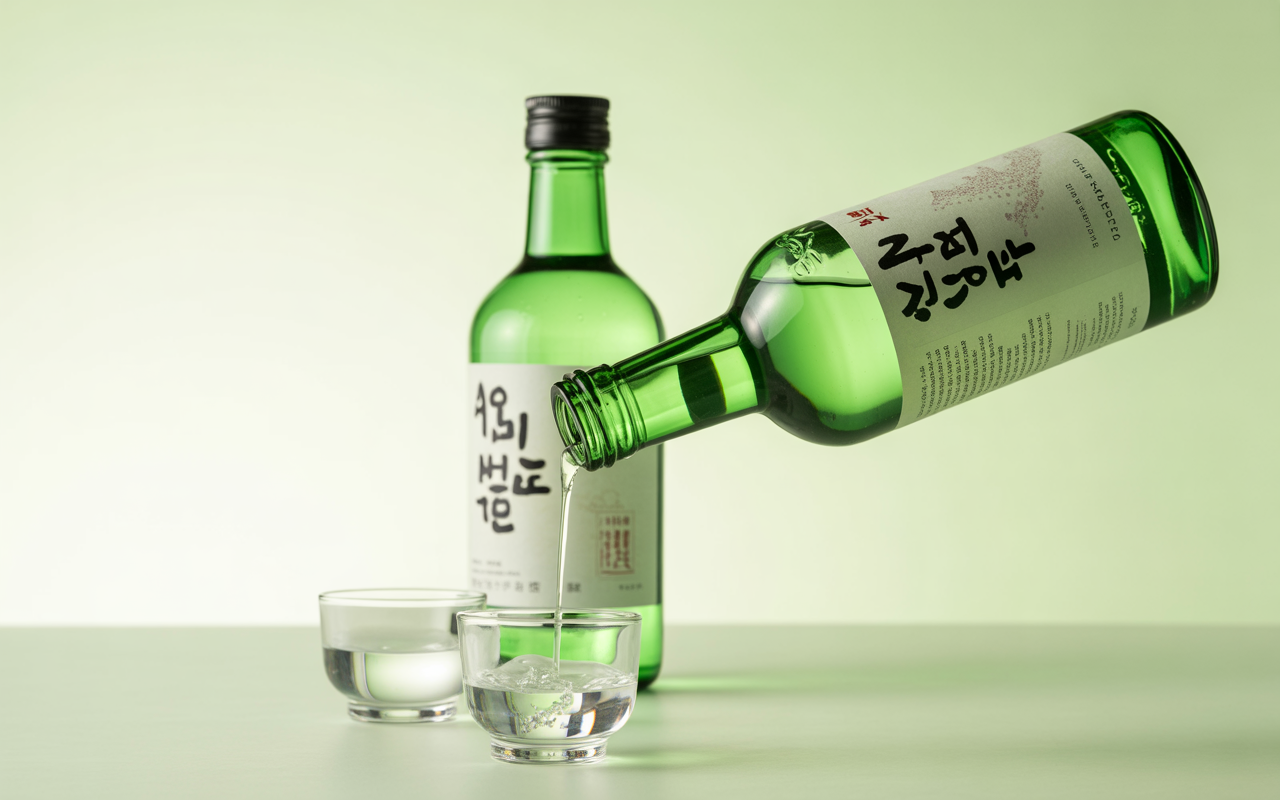
Before the culture shift makes sense, the drinks themselves: soju is Korea’s clear, slightly sweet distilled spirit (usually 16–20% ABV) and the best-selling liquor on Earth by volume. So-maek (소맥) is the beloved soju-plus-beer bomb that powers group drinking. Makgeolli (막걸리) is the milky, lightly fizzy rice wine — old-fashioned until recently, now trendy again. If you want the full map of Korean alcohol first, read our Korean alcohol guide.
The Hoesik Era: Three Rounds, One Friday Night
Hoesik was never just dinner. It was workplace ritual: the boss poured, the junior received with both hands, glasses were never allowed to empty, and leaving early was a small social crime. The rounds had logic — round one’s soju and pork belly for bonding, round two’s chicken and beer (the origin of Korea’s huge chimaek culture), round three’s noodles for “sobering up.” Drinking etiquette was hierarchy in liquid form: turn your head away from elders to drink, never pour your own glass, and keep the boss’s glass full.
For decades this was simply “Korean drinking culture” — so dominant that foreign reporters filed whole documentaries about its intensity.
Why Korean MZ Walked Away From the Dinner Drink
The retreat was slow, then sudden. Korean media and workplace surveys have repeatedly reported the same story: MZ employees rank forced dinners near the top of workplace dislikes, and companies responded by shrinking hoesik into lunch meetings or “culture budgets.” The drivers:
- Work-life boundary: the 52-hour workweek and post-pandemic remote habits made after-hours bonding feel like unpaid overtime.
- Individualism: MZ socializing is small, chosen, and interest-based — climbing clubs, running crews, board-game rooms — not department-wide.
- Wellness and cost: so-maek nights are expensive and brutal the next day; MZ spend on hobbies, not hangovers.
- Flattened hierarchy: the etiquette-heavy pouring ritual reads to MZ as power play, not politeness.
The result is not that Korea stopped drinking — it is that Korea stopped drinking on the company’s schedule.
The West’s Parallel Exit: Sober Curious, NoLo, and the “Damp Lifestyle”
Now flip the map. In North America and Europe, Gen Z drinks measurably less than previous generations at the same age, and the vocabulary of that shift sounds strangely Korean:
- Sober curious: drinking less without quitting — the default posture of Western Gen Z.
- NoLo boom: non-alcoholic and low-alcohol beers, spirits, and mocktail bars went from niche to supermarket shelf.
- Dry January & the “damp lifestyle”: structured breaks from alcohol, or deliberately moderated drinking, became socially normal.
- Home entertaining: post-2020, the party moved into apartments — cocktail carts and mocktail kits replaced the bar tab.
Same drivers as Seoul: wellness, money, remote life, and a dislike of drinking as social obligation. Korean MZ call it home-sul; Western Gen Z calls it a night in with a NA spritz. The culture pages look different; the story is the same.
What Korean MZ Drinks Instead
Home-sul and home-chimaek
The flagship format: one or two people, delivery fried chicken or tteokbokki, one or two drinks, a screen for company. Korean convenience stores rebuilt their shelves around this shopper — single-serving anju (drinking snacks), canned highballs, and premium soju in small bottles.
Hip-traditional (힙트래디셔널): makgeolli’s second life
The most surprising MZ trend is loving the old stuff: craft makgeolli, regional yakju, and traditional-liquor tasting rooms are genuinely trendy in Seoul now — grandparents’ drinks reframed as artisanal. If that sounds like your kind of rabbit hole, start with our first bottle of Korean traditional liquor guide and the Korean sake (yakju) explainer.
The highball craze
Korea’s bars and convenience stores have ridden a genuine whiskey-highball boom: low-ABV, long, refreshing, and easy to drink slowly — the physical form of “less, but better.” It displaced so-maek at many MZ gatherings.
Zero-proof and tea
Kombucha, herbal teas, and NA beers fill the “something in a nice glass” role at MZ gatherings — exactly the slot NoLo occupies in the West. Yuja (citrus) tea on ice with sparkling water is the standard Korean home mocktail.
Shop the Zero-Proof Korean Night Kit
1. AMAZON US Prime members may see free two-day delivery on eligible items and addresses; check the item and checkout.
Zero-Proof Korean Night Kit — non-alcoholic beer + ginseng tea + napa kimchi (3 items) →
Host a Korean-Style Home-Sul Night (Anywhere)The home-sul format travels perfectly. Here is the setup:
- Pick one anju (food pair), not five: delivery-style fried chicken, tteokbokki, or store kimchi with our kimchi buying guide plus jeon (savory pancakes). One strong pair beats a table of snacks.
- Choose the drink lane: traditional (makgeolli/yakju — see where to buy Korean traditional liquor in the US), highball (whiskey + sparkling water + ice), or zero-proof (yuja tea + sparkling water).
- Set the table small: Korean soju and somaek glass set → small glasses force slow sipping and frequent pours — the ritual without the hierarchy.
- Stock the zero-proof lane too: Korean yuja tea → and non-alcoholic beer → so the “damp lifestyle” guests stay in the party.
- Keep the one etiquette rule worth keeping: pour for each other, never for yourself. It turns a night in into a small ceremony — MZ kept this one because it reads as care, not rank.
The Etiquette That Survived (and the Parts MZ Dropped)
- Survived: pouring and receiving with two hands; pouring for others first; waiting for the eldest/first pour to start.
- Softened: turning away to drink (still polite with elders, optional among friends); finishing your glass to signal a refill (MZ say “no thanks” instead).
- Dropped: the empty-glass rule, mandatory rounds, and drinking as attendance. Refusing a drink is now unremarkable in MZ company.
FAQ
Is hoesik dead?
Not dead — downsized. Many companies keep it as a lunch or quarterly dinner; the three-round Friday institution is what disappeared.
Do young Koreans still drink soju?
Yes, but differently: smaller groups, lower ABV picks, highballs and traditional liquor gaining share, and NA options on the table without stigma.
What is “sober curious” in Korean terms?
The home-sul + NoLo mindset: drinking as a chosen pleasure at home, not a social obligation in groups.
Can I buy makgeolli or yakju outside Korea?
Increasingly yes — shelf-stable traditional liquors ship to US markets and online shops. See our where-to-buy guide for current options.
Alcohol shipping rules differ state by state, so check which states and countries will actually accept the order before you get attached to a bottle.
Keep Exploring
Go deeper on the drinks themselves: the complete Korean alcohol guide, the best first bottle of Korean traditional liquor, and Korean sake (yakju), explained. Cooking the anju? Start with tteokbokki.
