
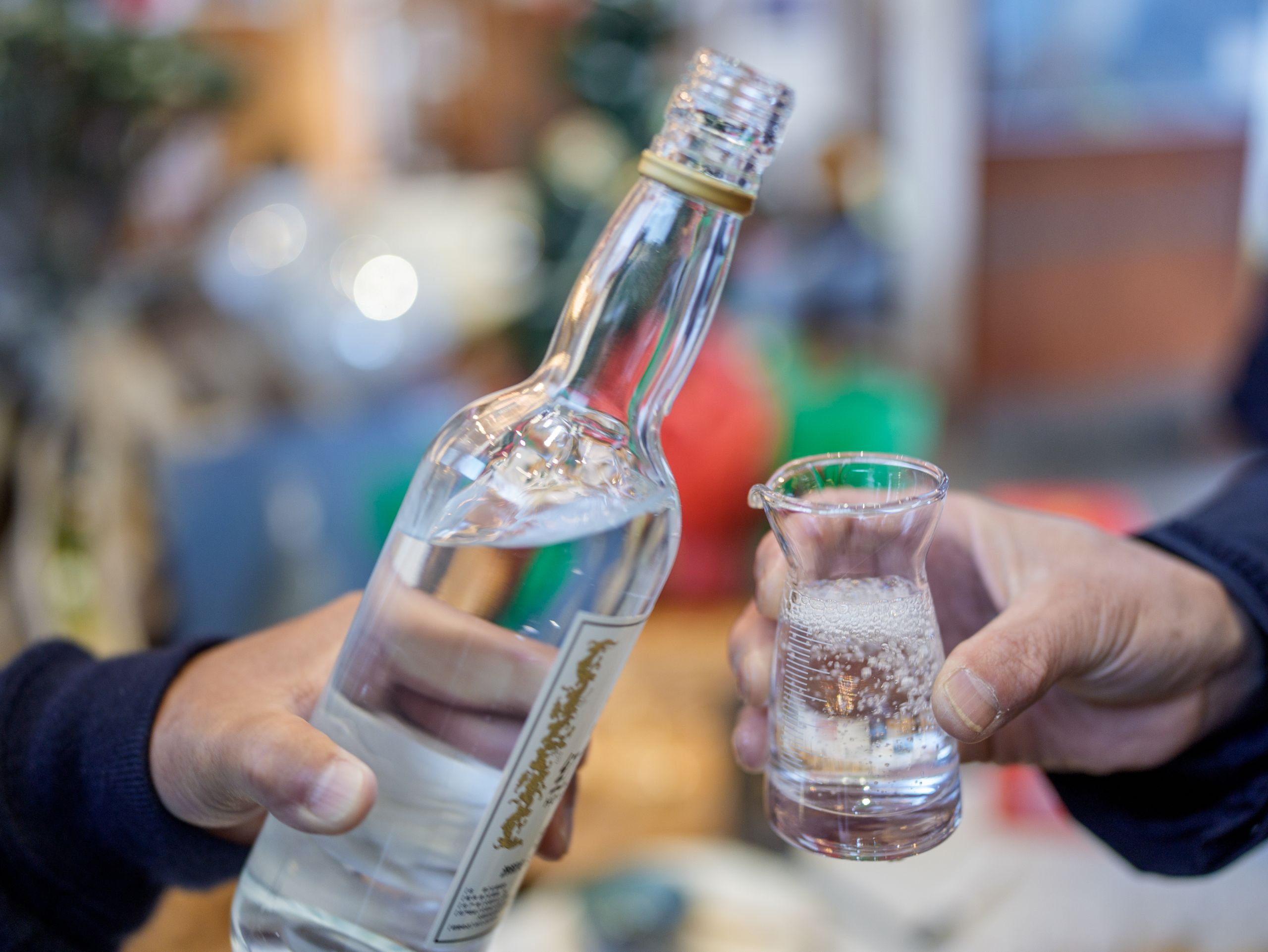
Korean traditional liquor can be confusing the first time you face a shelf of unfamiliar bottles. One may be cloudy and gently fizzy, another clear like white wine, and another closer to whisky in strength. The green-bottle soju beside them may not be traditional sool at all.
This guide has one practical job: to help you choose a bottle you are likely to enjoy. I will show you what to look for on the label, how to match a style to your taste, and which historic names are worth recognizing. For a broader explanation of alcohol categories, drinking etiquette, and Korean bar culture, read my complete Korean alcohol guide.
Affiliate disclosure: As an Amazon Associate I earn from qualifying purchases. This post contains affiliate search links; if you buy through them, I may earn a small commission at no extra cost to you.
My short answer: Start with makgeolli if you like cloudy, tangy drinks; yakju or cheongju if you prefer wine; and distilled soju if you enjoy clean grain spirits. Then check the exact ABV, ingredients, sweetness, pasteurization, and storage instructions on the individual bottle.
How to Choose Korean Traditional Liquor in 60 Seconds
| If you usually enjoy… | Look for… | Check before buying |
|---|---|---|
| Cider, farmhouse ale, or yogurt-like tang | Makgeolli or takju | Sweetness, carbonation, and refrigeration |
| White wine, sake, or sherry | Yakju or cheongju | Dry versus sweet, ABV, and serving temperature |
| Vodka, whisky, tequila, or baijiu | Distilled soju | Grain, distillation method, and ABV |
| Fruit wine or aromatic liqueur | Gwasilju or an herb-, spice-, or flower-based sool | Whether it is fermented, distilled, or infused |
If I am choosing for a mixed group, I usually begin with a clear yakju or a balanced makgeolli rather than the strongest bottle on the shelf. If I am buying a gift for a spirits drinker, I look for a regional distilled soju and read the producer information instead of choosing by packaging alone.
First, Know What “Sool” Means
Sool (술) is the everyday Korean word for alcohol, but it is also widely used in English-language discussions of Korea’s traditional drinks. The Korean government’s expert guide to traditional sool describes a broad world made from Korean agricultural products: cloudy takju, clear yakju, distilled liquor, fruit wine, and drinks flavored with flowers, herbs, spices, and regional ingredients.
Many grain-based styles begin with nuruk, a grain-based fermentation starter that supplies the microorganisms and enzymes needed to turn starch into fermentable sugar. Nuruk may be made from wheat, barley, rice, or other grains, so a rice-based drink is not automatically safe for someone with a wheat or gluten allergy.
Traditional does not mean that every bottle must taste old-fashioned. Korean brewers now make dry, sparkling, fruit-forward, barrel-aged, and cocktail-friendly versions while still working with local grain and fermentation traditions. I think this is part of what makes the category interesting, but it also means the word “traditional” alone cannot tell you how a bottle will taste.
The Four Main Styles You Will See
Makgeolli and takju: cloudy and textured
Makgeolli belongs to the cloudy takju family. Rice or another grain is fermented with nuruk and water, then filtered while fine particles remain. Those particles create its milky appearance and can give it a soft, creamy, or lightly chalky texture. VISITKOREA describes common makgeolli as roughly 4–6% ABV, although modern craft bottles can be much stronger.
Do not assume every makgeolli is sweet. Some are tart and sparkling, some thick and rice-rich, and others clearly sweetened. This is the category where reading the storage instructions matters most.
Yakju and cheongju: clear fermented grain liquor
These are clear fermented drinks made by separating liquid from the grain sediment. The legal distinction between the Korean categories can be technical, but a shopper can think of both as the clearer, wine-like side of traditional grain liquor. Expect a wide range from dry and delicate to honeyed, floral, or strongly rice-sweet.
This is often my safest recommendation for a wine drinker because the texture and serving style feel familiar, while the nuruk and grain aromas still make the bottle distinctly Korean.
Distilled soju: grain spirit, not just a green bottle
Traditional distilled soju begins with a fermented grain base and is then distilled. The familiar inexpensive green-bottle style is generally diluted soju: highly distilled neutral alcohol is mixed with water and often sweetening ingredients. Both can be enjoyable, but they are made differently and should not be expected to taste the same.
A grain-based distilled soju may show rice, wheat, millet, sorghum, sweet potato, or another crop in its aroma and finish. Some bottles are gentle enough for a first-time spirits drinker; others are close to full-strength whisky. Never guess from the bottle size—read the ABV.
Fruit, flower, herb, and spice drinks
Korean sool is not limited to rice. You may find fermented fruit wines, grain liquor infused or distilled with botanicals, and regional drinks made with ingredients such as omija, black raspberry, pear, ginger, azalea, chrysanthemum, or citrus peel.
A colorful bottle is not necessarily sweet, and a drink described as medicinal or herbal is still alcohol—not medicine. Check how it was made, the ABV, and whether the producer gives a sweetness description.
How to Read a Korean Liquor Label
When an English tasting note sounds poetic but vague, the back label is usually more useful. These are the details I check first.
1. Product type
- 탁주 (takju): cloudy fermented liquor; makgeolli belongs here
- 약주 (yakju) or 청주 (cheongju): clear fermented grain liquor
- 소주 (soju) or 증류식 소주: soju or distilled-style soju
- 과실주 (gwasilju): fruit wine
- 리큐르 (liqueur): a flavored or compounded alcoholic drink
These words tell you more than the shape of the bottle. A tall elegant bottle can contain cloudy takju, while a small traditional-looking ceramic bottle may hold a strong spirit.
2. Alcohol by volume
Look for 알코올, a percentage sign, or a number followed by 도. In everyday Korean labeling, “15도” means approximately 15% alcohol by volume. The difference between a 6% makgeolli, an 18% clear rice wine, and a 45% distilled soju is not a small detail.
3. Main ingredients
- 쌀: rice
- 찹쌀: glutinous or sweet rice
- 밀: wheat
- 보리: barley
- 누룩: nuruk fermentation starter
- 주정: highly distilled neutral alcohol
- 감미료: sweetener
Sweetener is not a simple test of good or bad quality. It tells you that some of the sweetness was adjusted rather than coming only from residual grain sugar. I use that information to decide whether the bottle matches the taste I want.
If the imported bottle has a local-language ingredient and allergen sticker, read that too. My general Korean food label guide explains where to find ingredient and allergy information.
4. Saeng or salgyun
생 (saeng) means live or unpasteurized. 살균 (salgyun) indicates pasteurization. Unpasteurized drinks retain active microorganisms, can continue changing in the bottle, and generally require refrigeration. Pasteurization makes transport and storage easier, which is one reason pasteurized bottles are more likely to reach distant export markets.
This is not a universal quality ranking. Fresh versions can taste lively and complex; pasteurized versions can be more stable and practical. Follow the storage instructions on the actual bottle rather than a general rule from the internet.
5. Producer, region, and storage
Names such as Andong Soju and Hansan Sogokju describe regional traditions, not one identical product from one company. Look for the brewery, region, bottling or use-by information, and whether refrigeration is required. Two producers using the same regional name can make noticeably different bottles.
Six Traditional Names Worth Recognizing
This is not a ranking, and availability changes constantly outside Korea. Think of these names as reference points that help you understand a shop shelf or drinks menu.
1. Hansan Sogokju (한산소곡주)
Hansan Sogokju is a clear fermented rice liquor from the Hansan area of Seocheon. VISITKOREA describes the regional style as an 18% cheongju made with sweet rice, non-glutinous rice, and nuruk, often fermented for more than 100 days. It is known for pronounced sweetness and aroma.
The useful shopping lesson is that there are many Hansan breweries and both unpasteurized and pasteurized versions. Choose fresh and refrigerated if you value a more active fermented character and can maintain the cold chain. Choose pasteurized when stability and transport matter more.
2. Myeoncheon Dugyeonju (면천두견주)
This gently sweet, aromatic liquor is made with azalea blossoms and is officially preserved as Korean Intangible Cultural Heritage No. 86-2. VISITKOREA lists the current traditional product at 15% ABV, made and aged over a 100-day process, and sold unpasteurized.
Choose it if you want a floral fermented drink rather than a high-proof spirit. Because it is unpasteurized, confirm refrigeration before buying it online or carrying it between hotels.
3. Andong Soju (안동소주)
Andong Soju is Korea’s best-known regional distilled soju tradition. Fermented grain liquor is distilled, and producers may use atmospheric or vacuum distillation. VISITKOREA explains that the distillate can reach 45% ABV before being adjusted to the desired bottling strength.
Do not treat “Andong Soju” as a single brand. Compare the producer, grain, distillation method, and final ABV. Atmospheric distillation can preserve a fuller cooked-grain and fermentation character, while vacuum-distilled products are often presented as gentler and cleaner.
4. Munbaeju (문배주)
Munbaeju is famous for a pear-like aroma even though pear is not used. The Korean Culture and Information Service explains that yellow millet is used for the primary mash and sorghum for a later mash. It is a distilled, grain-based liquor with a striking aromatic identity.
This is a good choice for an experienced spirits drinker who enjoys aroma-driven bottles. Check the exact commercial product’s ABV rather than relying on one number attached to the historic style.
5. Leegangju (이강주)
Leegangju is associated with Jeonju and combines a distilled base with pear and ginger. The official KOCIS guide also describes turmeric, cinnamon, and honey in the traditional flavor profile. The result is layered and aromatic rather than simply “pear flavored.”
I would choose this for someone who likes botanical spirits or gently spiced liqueurs. It also makes a thoughtful gift because the ingredients provide an easy story to share without reducing the bottle to generic soju.
6. Gamhongno (감홍로)
Gamhongno is a historic aromatic liquor associated with Pyeongyang and mentioned in Korean literature. KOCIS describes it with rice, non-glutinous millet, longan, cinnamon, dried tangerine peel, clove, ginger, licorice root, and a botanical used for its reddish color.
It is the most adventurous choice on this list: sweet, red, spiced, and herbaceous rather than neutral. It can also be harder to find abroad, so I would treat a properly imported bottle as a specialist purchase, not the standard starting point for everyone.
Where to Buy It in North America or Europe
Traditional sool distribution is still much narrower than green-bottle soju distribution. A Korean supermarket may carry a few makgeolli brands and fruit wines, while a specialist bottle shop or licensed online alcohol retailer may have yakju and distilled soju.
- Search by the Korean name. Try both romanization and Hangul, such as “Andong Soju 안동소주.”
- Use a licensed local retailer. Alcohol shipping rules differ by US state, Canadian province, and European country.
- Check the importer label. It should identify the local importer and provide the information required in your market.
- Ask about refrigeration. Do not buy an unpasteurized bottle from a seller who cannot explain how it was stored and shipped.
- Confirm the exact bottle. A retailer’s product photo, ABV, and size should match the item description.
If you buy bottles during a Korea trip, check airline packing rules and your destination’s customs allowance before paying. Duty-free purchase does not automatically mean duty-free entry into every country.
Alcohol shipping rules differ state by state, so check which states and countries will actually accept the order before you get attached to a bottle.
How I Serve a New Bottle
- Makgeolli: chill it well and keep it upright. Follow the brewery’s directions. If the sediment should be mixed, gently roll or slowly invert the sealed bottle; a live carbonated bottle can foam when opened.
- Yakju or cheongju: begin slightly chilled in a small wine glass. Let it warm gradually and notice how the grain and fruit-like aromas change.
- Distilled soju: taste a small amount neat first. Then decide whether water, ice, or sparkling water helps the bottle.
- Aromatic or fruit sool: try it alone before pairing it, because sweetness and spice intensity vary widely.
You do not need a ceramic bowl or a one-shot drinking ritual to make the experience authentic. A clear glass helps you see the color and sediment, and a small pour gives you time to smell and taste.
Optional serving pieces on Amazon US
Special cups are optional, but the right size can make sharing and comparing small pours easier:
- Korean soju and somaek glass set on Amazon US →
- Compare makgeolli bowl sets on Amazon US →
- Compare small rice-wine glasses on Amazon US →
Amazon is more reliable for glassware than for drinking alcohol. For the liquor itself, use a licensed bottle shop, specialist importer, or retailer that can explain refrigeration and local delivery rules. The search links above open Amazon US; availability differs in Canada and Europe.
Simple Food Pairing by Style
- Bright makgeolli: savory pancakes, fried vegetables, or salty snacks
- Rich, sweet takju: spicy food or a sharp, crunchy side dish
- Dry yakju: grilled fish, mild banchan, tofu, or mushrooms
- Sweet Hansan Sogokju: a lighter hot pot or simply seasoned meat
- Distilled soju: grilled pork, beef, or other rich food
- Leegangju or Gamhongno: nuts, dried fruit, cheese, or a small dessert
These are starting points, not rules. My favorite way to learn a new bottle is to keep the food simple for the first glass, then add a stronger dish after I understand the drink.
Five Buying Mistakes to Avoid
- Buying only by bottle design. A beautiful package does not reveal sweetness, ingredients, or ABV.
- Assuming all traditional liquor is rice wine. Some bottles use wheat, millet, sorghum, barley, fruit, flowers, or herbs.
- Assuming rice-based means gluten-free. Wheat-based nuruk may be used, and only the product label can answer the allergy question.
- Ignoring pasteurization and refrigeration. This can ruin a fresh bottle before you open it.
- Confusing drinking liquor with cooking wine. If you need a kitchen ingredient rather than a bottle for the table, use my Korean cooking wine guide.
What I Would Buy First
For a first purchase outside Korea, I would choose a properly imported yakju or pasteurized makgeolli with a clear ingredient list and tasting description. It may not be the rarest bottle, but it is more likely to arrive in good condition and give you a useful introduction to fermented grain flavor.
For a second bottle, I would move toward contrast: a regional distilled soju such as Andong Soju if the first was fermented, or a characterful clear liquor such as Hansan Sogokju if the first was cloudy.
The bottle I would not recommend as a blind first purchase is simply the strongest or most expensive one. Heritage matters, but your own preference for sweetness, texture, aroma, and alcohol strength matters too.
Frequently Asked Questions
What is the best Korean traditional liquor for beginners?
A balanced makgeolli is approachable if you enjoy tangy, cloudy drinks. A clear yakju is often easier for wine drinkers. Choose by style and ABV rather than looking for one universal “best” brand.
Is traditional soju different from green-bottle soju?
Yes. Traditional distilled soju is made by fermenting and distilling a grain base. Standard green-bottle soju is generally made by diluting highly distilled neutral alcohol with water and often sweetening ingredients.
Does Korean traditional liquor need refrigeration?
Some does and some does not. Unpasteurized makgeolli and Myeoncheon Dugyeonju require careful cold storage, while pasteurized and distilled products are usually more stable. Always follow the individual bottle’s instructions.
Is rice-based Korean liquor gluten-free?
Not automatically. Nuruk can be made from wheat or barley, and other ingredients or shared facilities may matter. Check the product’s official allergen information and your local importer label.
Why is traditional Korean liquor more expensive than regular soju?
Small-batch production, regional ingredients, longer fermentation or aging, lower distillation yield, packaging, and international distribution can all raise the price. A higher price does not guarantee that the flavor will suit you.
Is yakju healthy because its name contains “medicine”?
No. Yakju is an alcohol category, not a health product, and a liquor made with herbs is still alcohol. The World Health Organization states that no level of alcohol consumption is risk-free. Drink less rather than more, never drink before driving, and avoid alcohol completely when medically advised.
Official Sources and Further Reading
- Korea.net expert guide to traditional Korean alcoholic beverages
- KOCIS introduction to “Hidden Charms of Korea: SOOL”
- Korea.net review and ingredient summary of the KOCIS SOOL guide
- VISITKOREA guide to makgeolli and regional brewing
- VISITKOREA guide to Hansan Sogokju
- VISITKOREA guide to Andong Soju
- VISITKOREA guide to Myeoncheon Dugyeonju
- Korea.net explanation of unpasteurized and pasteurized makgeolli
- WHO guidance on alcohol and health risk
