
Korean Food Culture, Dining Etiquette, Alcohol & K-Drama Dishes Explained
Korean food culture is easier to understand when you know the stories behind the table. From birthday seaweed soup to the etiquette of shared tables, these posts explain the traditions and culture behind the dishes — because context is the best seasoning.
Explore the Korean Food Culture Topic Cluster
Our 15 cultural explainers are organized into 4 distinct sub-clusters below — or scroll down to browse the full paginated archive (10 per page):
1. Korean Traditional Liquor (Sool), Soju & Pairing Guides
3. Modern Dining Etiquette & Seasonal Korean Table
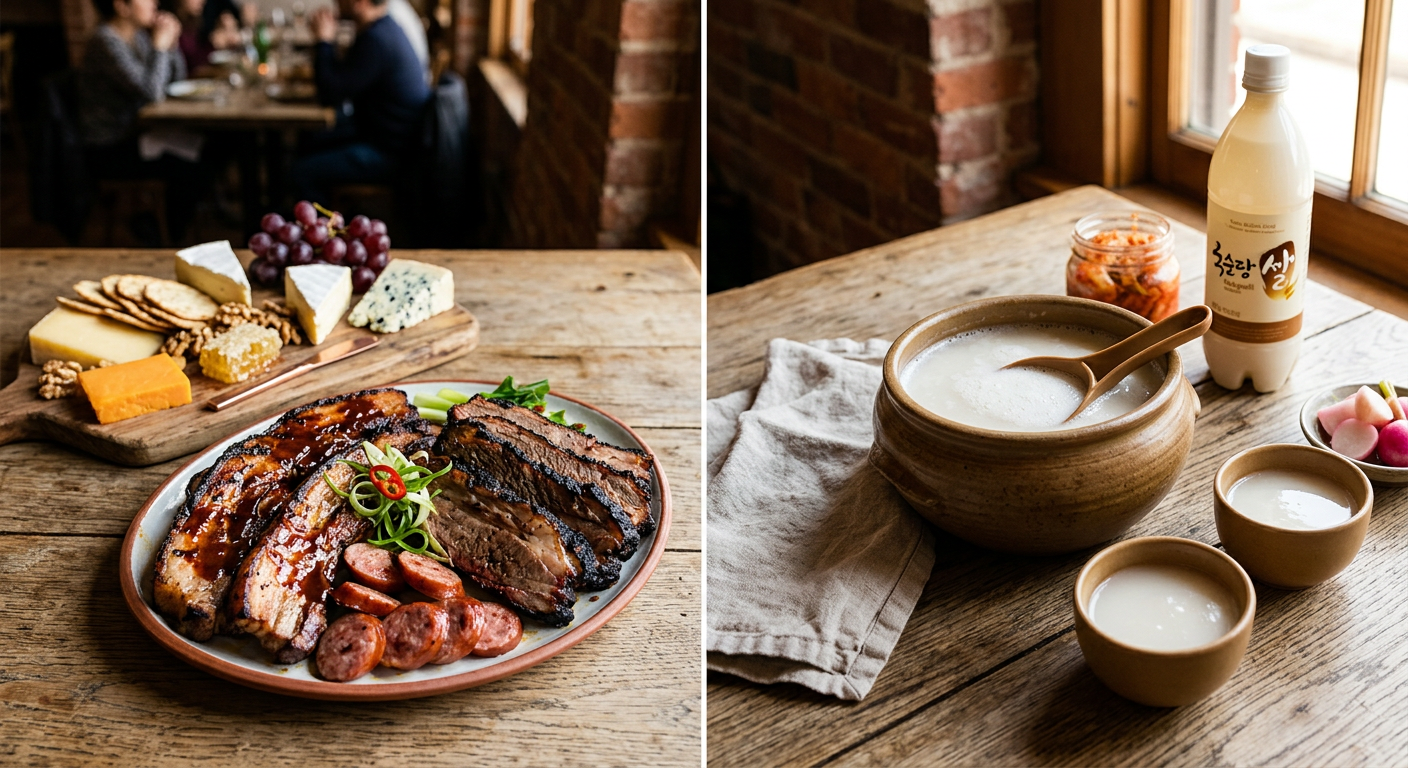
Korean Traditional Liquor with Cheese, Barbecue and Western Food
A practical pairing guide for serving makgeolli, yakju, distilled soju, and aromatic Korean sool with cheese, American barbecue, and Western food.
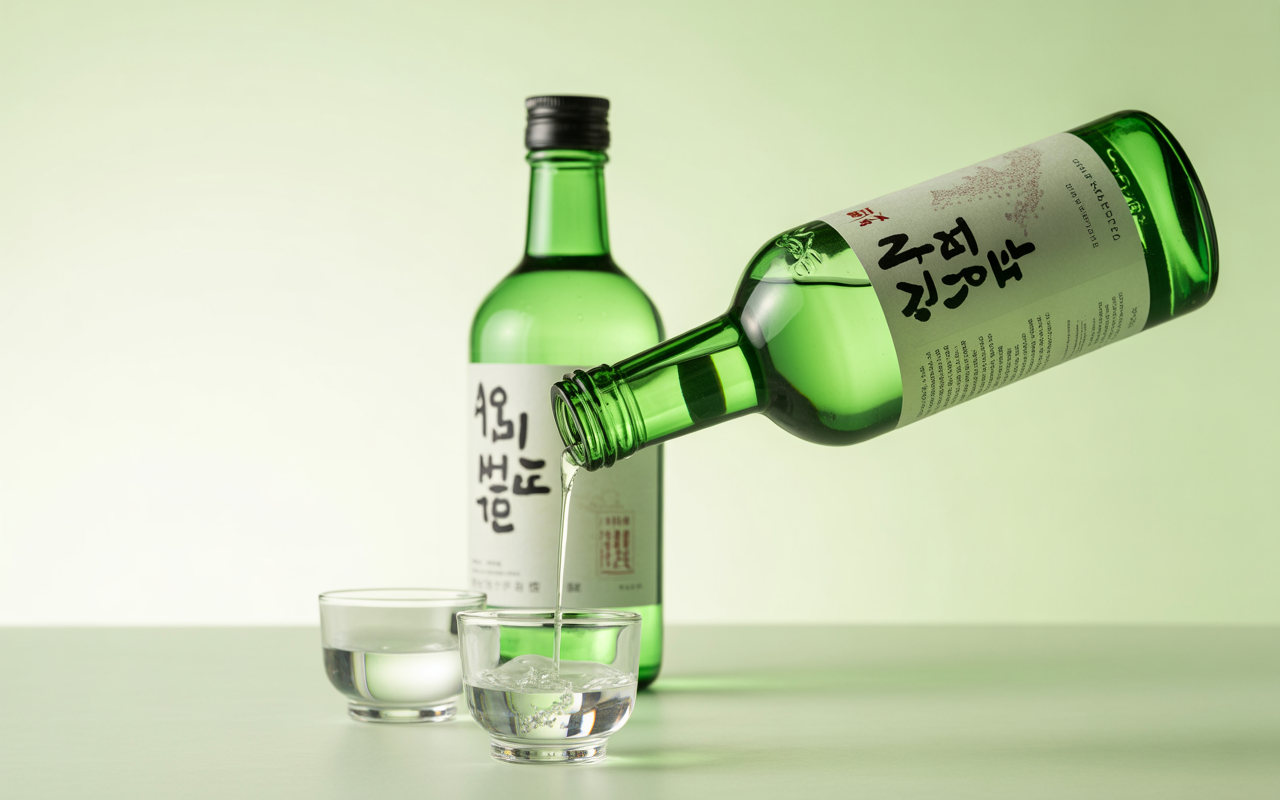
Korean Drinking Culture 2026: Why MZ & Gen Z Quit Hoesik
Korea’s MZ generation dropped hoesik and binge drinking — and Western Gen Z went sober-curious. What they drink instead: home-sul, traditional liquor,…

Korean Sake (Cheongju): What It Tastes Like & Where To Buy
K-FOOD CULTURE GUIDE • JINA MOON By Jina Moon • Updated September 16, 2026 • Tasted in my kitchen in Washington •…
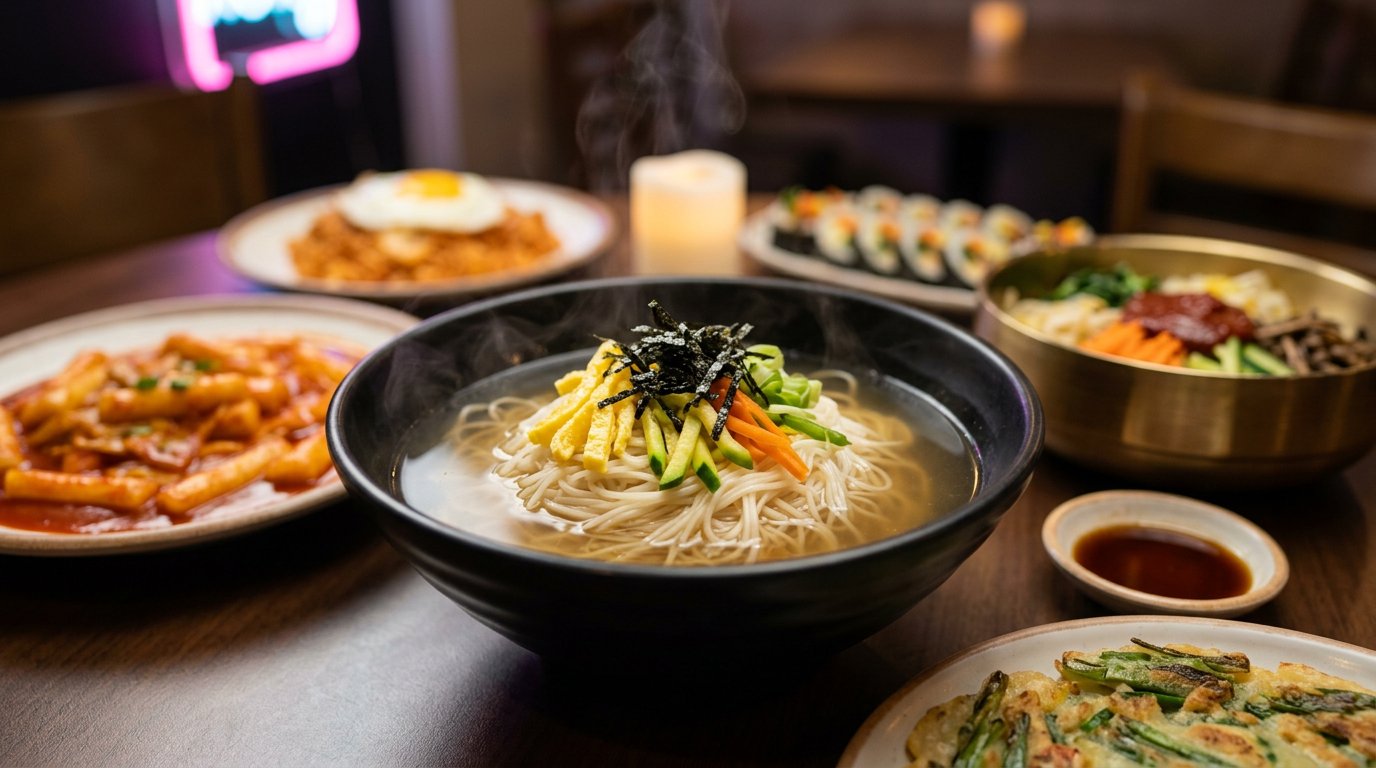
K-Pop and K-Drama Korean Food Guide: 10 Dishes to Try
Start with 10 Korean foods seen in K-pop and K-dramas, including BTS party noodles, Rosé’s kimchi fried rice, tteokbokki, bibimbap and chimaek.
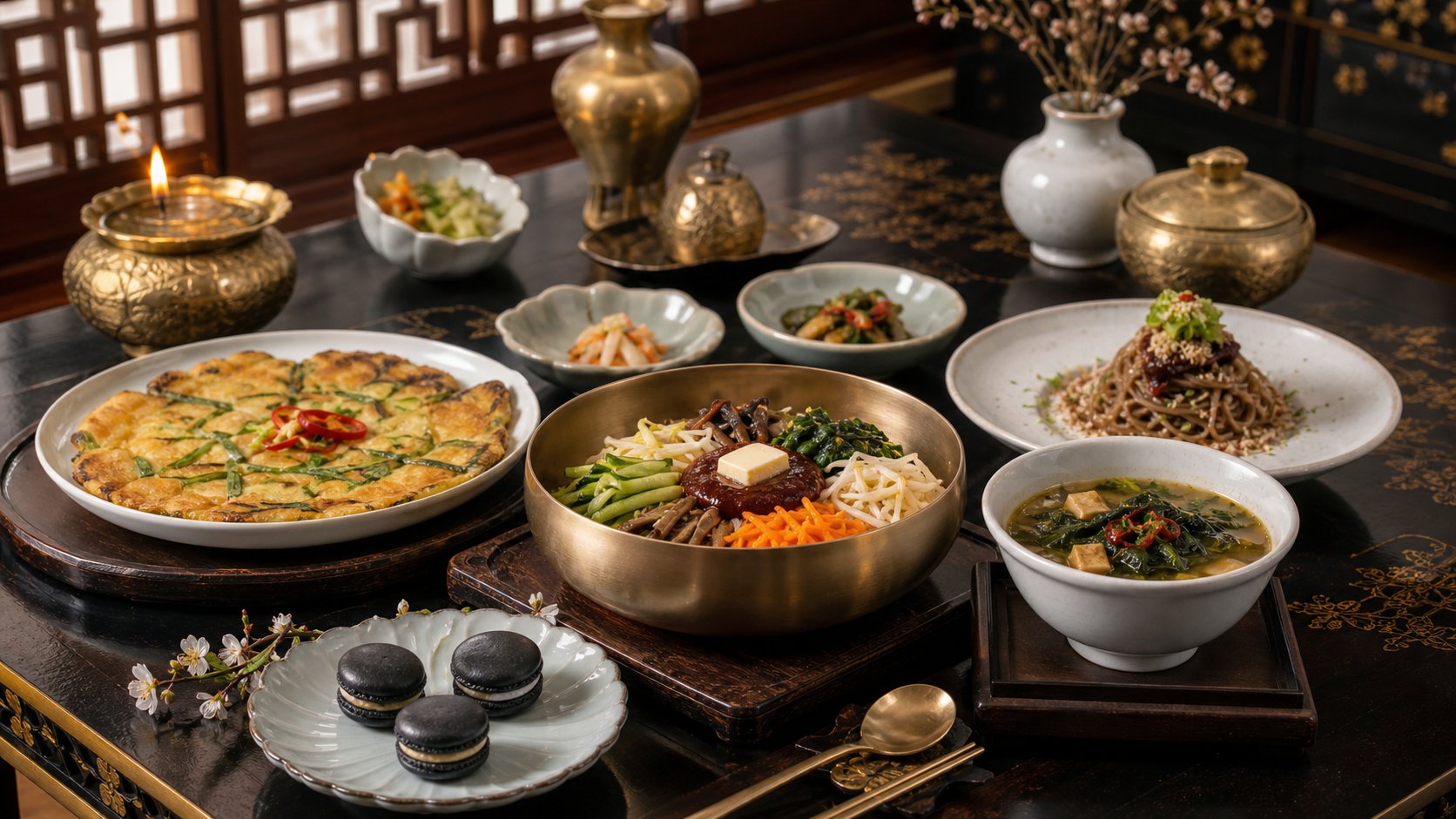
Korean Food in Bon Appétit, Your Majesty: 12 Dishes Explained
Explore 12 dishes from Bon Appétit, Your Majesty, from gochujang butter bibimbap and doenjang pasta to pajeon, black sesame macarons and ogyetang—and…
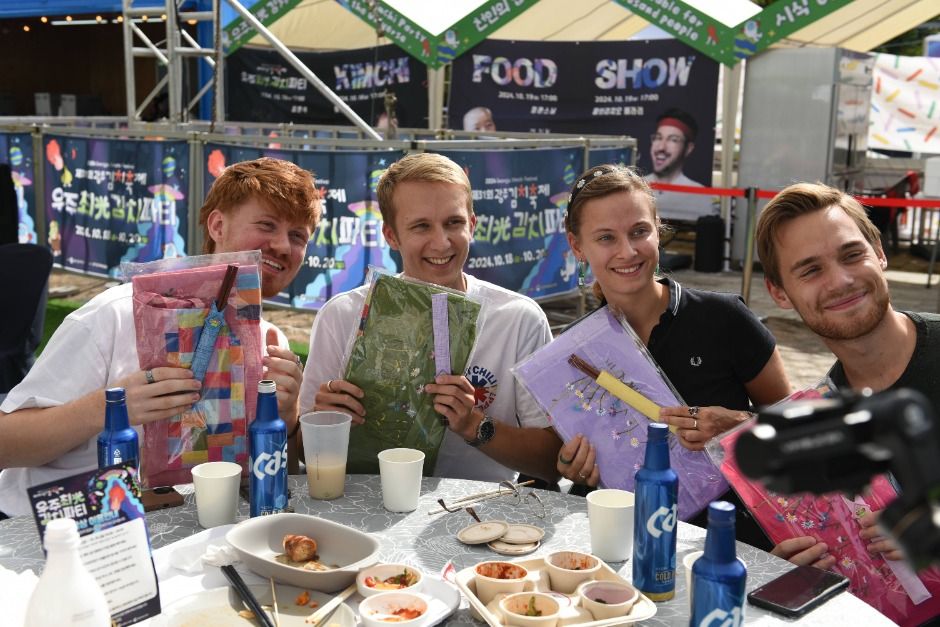
Gwangju World Kimchi Festival 2026: Dates, Food & Visitor Guide
If you are planning a Korea trip this fall — or you simply love kimchi — circle October 23 to 25, 2026.…

BLACKPINK Rosé’s Kimchi Fried Rice: Her Vogue Version
Rosé cooked kimchi fried rice with Spam, gochujang, egg and a large side of cilantro for Vogue. Here is what she used,…

Where to Buy Korean Traditional Liquor in the USA
A current guide to buying imported and US-made Korean sool, including specialist shops, local retailers, shipping restrictions, and cold-storage checks.
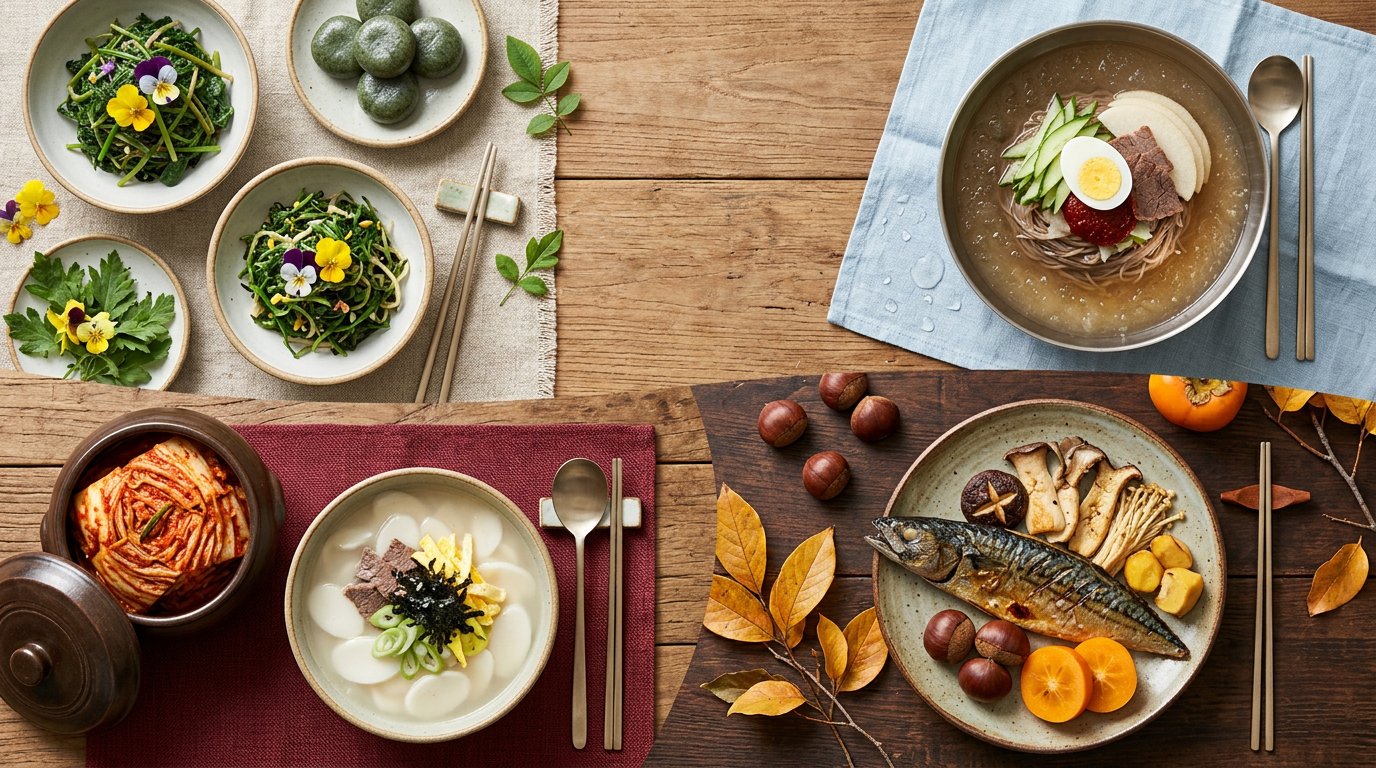
Korean Seasonal Foods: 20 Must-Try Dishes by Season
Korean seasonal foods change with the weather, harvest, holidays, and the way Koreans balance hot and cold. Spring brings tender mountain greens,…
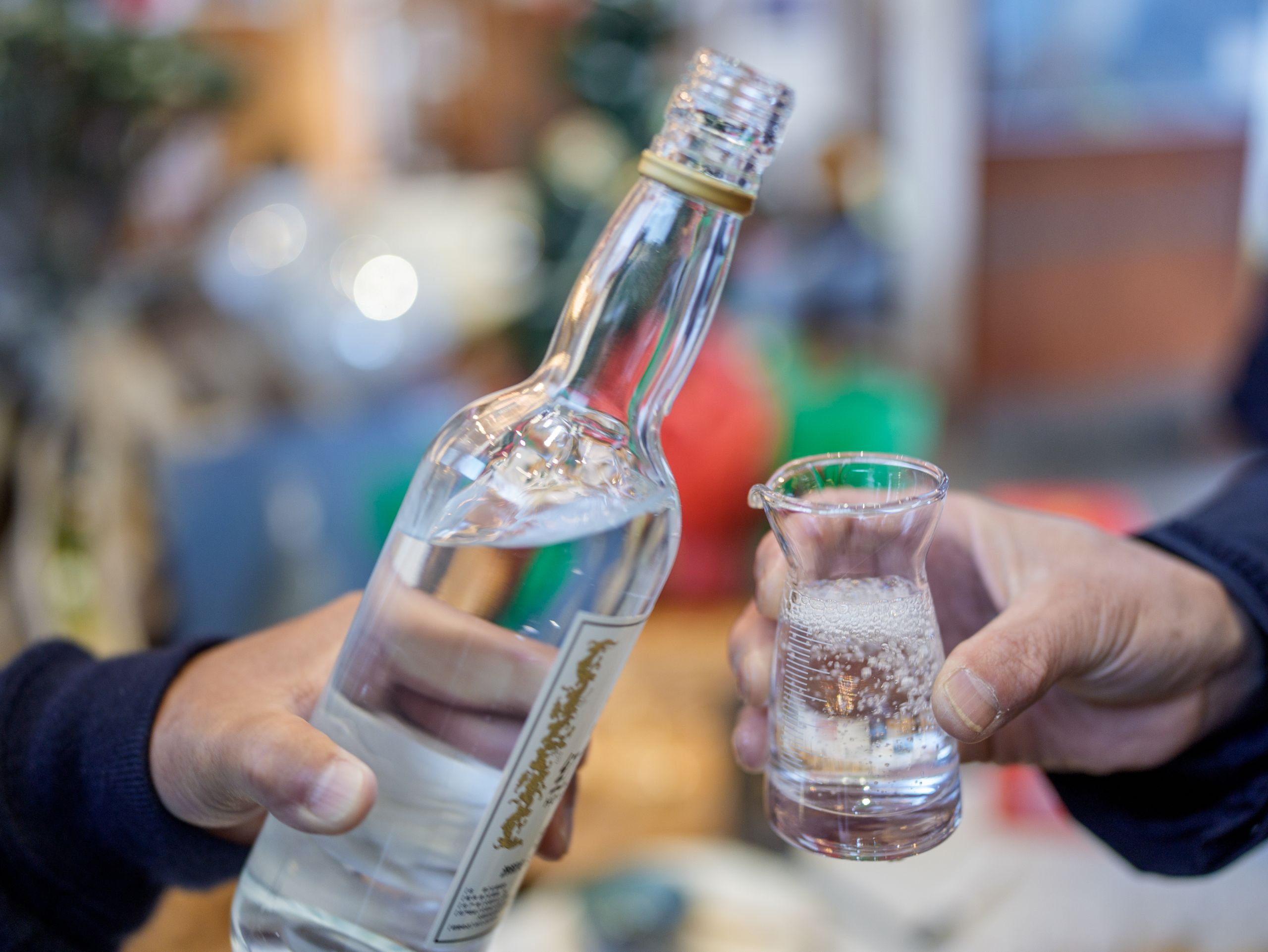
Korean Traditional Liquor: How to Choose Your First Bottle
A practical first-bottle guide to Korean traditional liquor, from reading the label to choosing makgeolli, yakju, or distilled soju.
Korean Food Culture Beyond the Recipe
A dish can tell you how people share a table, mark a season, welcome a guest, or remember home. Learning the recipe is useful, but understanding the setting explains why the same food may feel casual on an ordinary weekday and deeply meaningful during a holiday or family gathering.
These guides explore Korean food culture without treating every custom as a strict rule. Age, region, religion, household, workplace, and generation all influence how people eat. A formal meal with older relatives is not the same as fried chicken with close friends, and a modern Seoul café does not represent every Korean table.
The Shared Korean Table
A familiar Korean meal may include an individual bowl of rice, soup or stew, kimchi, and several banchan placed in the center. Shared dishes make the table feel communal, but diners still have personal space and ordinary hygiene expectations. The number and style of side dishes can range from one simple vegetable to a large restaurant spread.
The combination matters as much as any single plate. Rice balances salty or spicy food, soup adds warmth and moisture, and banchan provide contrasting textures and flavors. Ssam turns grilled meat, rice, sauce, garlic, and vegetables into a bite assembled by the diner. For a useful official overview of table settings, banchan, ssam, and restaurant customs, see VISITKOREA’s introduction to Korean food.
Korean Dining Etiquette in Context
Respect for older or senior people can affect seating, serving, pouring drinks, and when a formal meal begins. Using two hands when giving or receiving something is a safe respectful gesture. At the same time, close friends and family members may be far less formal, and many younger Koreans do not follow every traditional convention in daily life.
Good manners are more useful than memorizing a performance. Watch the people at the table, avoid pressuring anyone to eat or drink, use serving utensils when provided, and ask when you are unsure. Korean food culture changes with the setting, so flexibility and consideration matter more than copying a scene from television.
Food for Holidays and Life Events
- Tteokguk: Rice-cake soup is closely associated with Lunar New Year and the idea of beginning another year of life.
- Miyeokguk: Seaweed soup is connected with birthdays and with the food traditionally eaten after childbirth.
- Songpyeon: Filled rice cakes are strongly associated with Chuseok, although ingredients and family methods vary.
- Jeon: Pan-fried foods appear at holidays, ancestral rites, family gatherings, and ordinary meals.
- Kimjang: The preparation and sharing of kimchi for winter carries practical, family, and community meaning.
Symbolic foods do not mean that every household celebrates in exactly the same way. Families adapt traditions to time, location, dietary needs, and personal preference. Korean communities abroad may also use local ingredients while preserving the purpose of a gathering.
Drinking, Anju, and Social Settings
Alcohol is often presented with food rather than as a separate activity. Anju can mean anything from nuts to fried chicken, pancakes, grilled meat, seafood, or stew. Pouring for another person may express attention and hospitality, but modern etiquette should always respect someone who declines alcohol.
The Korean alcohol guide explains soju, makgeolli, cheongju, fruit drinks, food pairings, workplace dinners, drinking rounds, and the difference between respectful customs and exaggerated K-drama stereotypes.
Markets, Street Food, and Regional Identity
Traditional markets, neighborhood restaurants, highway rest stops, convenience stores, and festival stalls all show different parts of Korean food culture. A market snack may be designed for standing and sharing, while a regional festival may celebrate a harvest, local seafood, fermentation tradition, or famous specialty.
Use the Korean food festival calendar to explore events in Korea and abroad. Dates, venues, and programs can change, so confirm current details with the organizer before traveling.
Korean Food Culture Questions
Do Koreans always share every dish?
No. Rice and soup are commonly individual, while many side dishes and main dishes are shared. Restaurants and households may provide serving utensils or individual plates depending on the food and setting.
Is all Korean food spicy?
No. Korean cooking includes mild soups, grilled fish and meat, seasoned vegetables, rice dishes, noodles, pancakes, braises, and fermented foods with many different flavor profiles.
Do visitors have to follow every traditional rule?
No. Be observant and respectful, especially around older people or in formal settings. Honest curiosity and considerate behavior are more important than performing every custom perfectly.
As this library grows, each guide will connect dishes with the people, occasions, and changes that shape Korean food culture today.
Korean food culture is not one thing. The drinking culture behind hoesik is changing fast, festivals run on their own calendar, and half the dishes people search for after a drama never appear on a restaurant menu. Start with the three that explain the rest: the shift in how younger Koreans drink, the festival year at a glance, and the dishes K-dramas send people looking for.
Looking for everything instead? Browse all Korean food guides by topic, including the buying guides and culture explainers.