

Easy Korean Recipes & Noodle Hacks (With Practical Ingredient Swaps)
POV: the recipe says “just add rice cakes,” and your store has one sad bag of frozen gnocchi. We can work with that.
These are the Korean dishes I’d send any friend cooking far from Korea: short shopping lists, honest swaps, and a warning when a swap will ruin dinner. I cooked Korean food abroad for years with whatever the local store had, so every recipe here tells you what you can fake and what you can’t.
The recipes and noodle hacks here run from a 5-minute sauce to Rosé’s kimchi fried rice.
Explore the Korean Recipes & Viral Hacks Topic Cluster
Two shelves: sauces and rice dishes, and pure noodle chaos. Missing an ingredient? The Ingredients & Substitutes hub has your back.
1. Essential Korean Sauces, Rice Cakes & Fried Rice
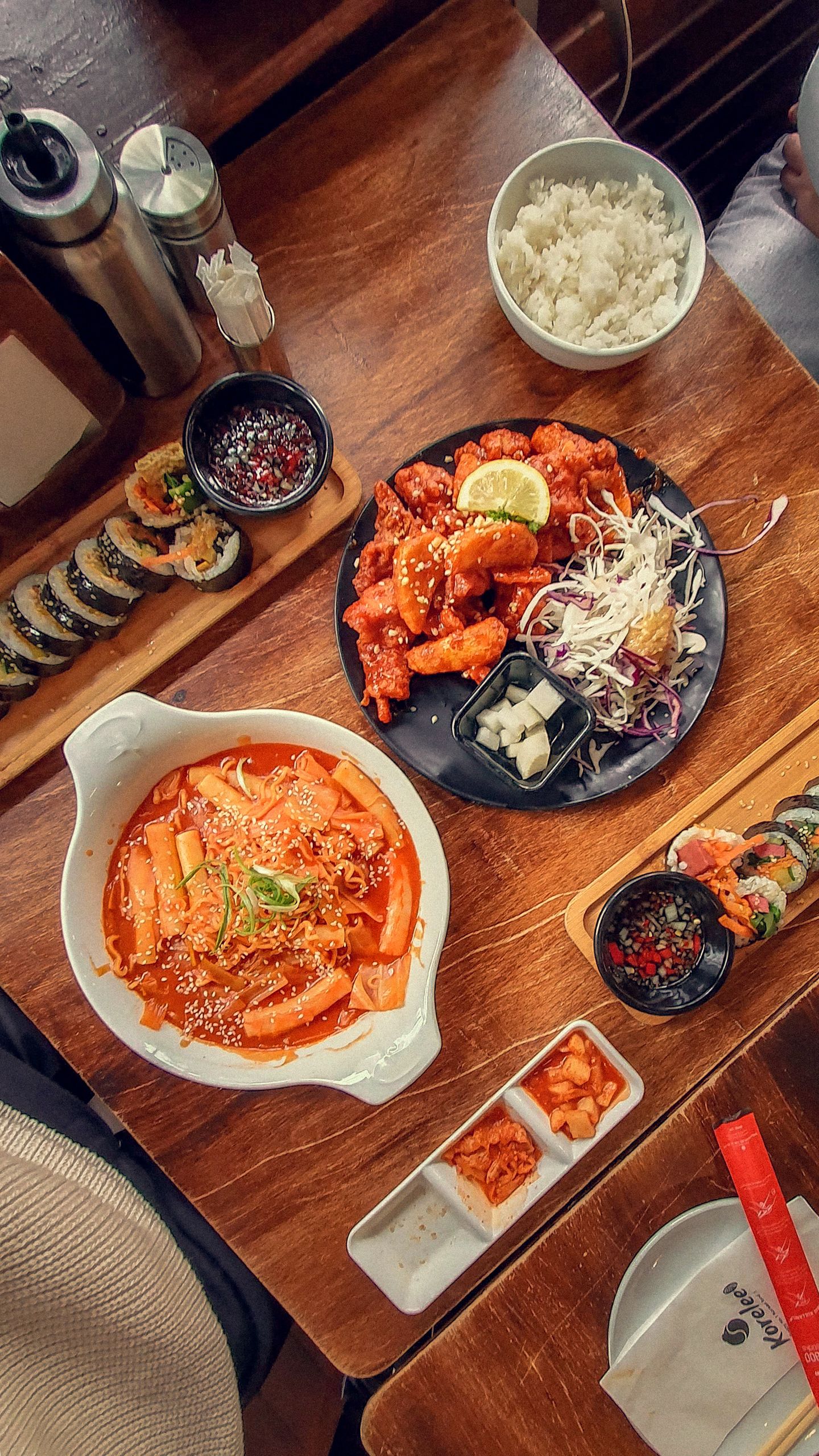
4 Korean Convenience Store Combos to Make at Home (Banana Latte, Cheese Rabokki & More)
Seoul’s 11 p.m. convenience-store run, rebuilt in your kitchen: banana latte, cheese rabokki, kimbap dunked in tteokbokki and custard cake + coffee.…
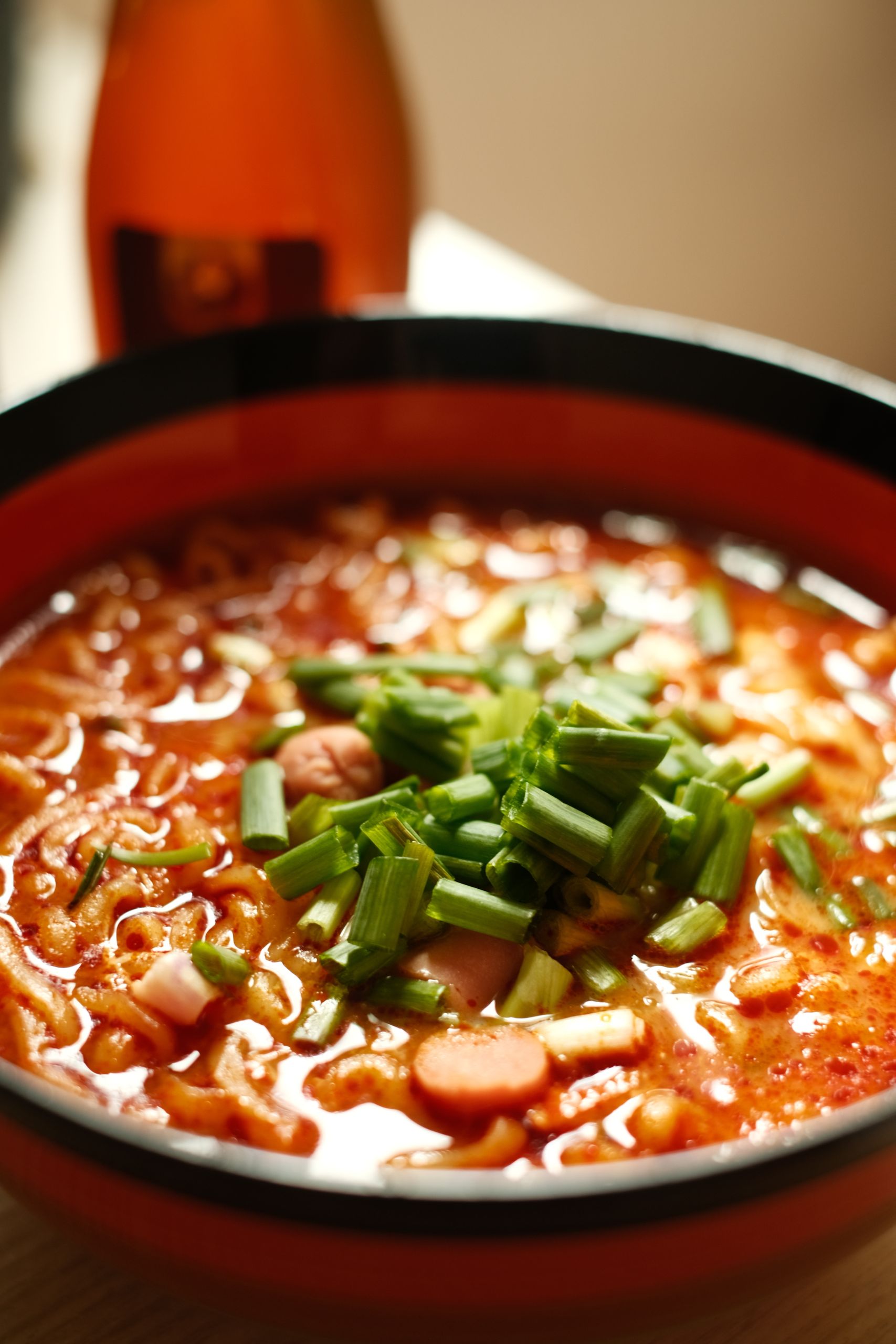
10 Korean Ramyeon Hacks Koreans Actually Use: Jjapaguri, Rosé & More
Ask three Koreans how to cook instant ramyeon and you get three secret recipes and one argument. Here are the 10 tweaks…
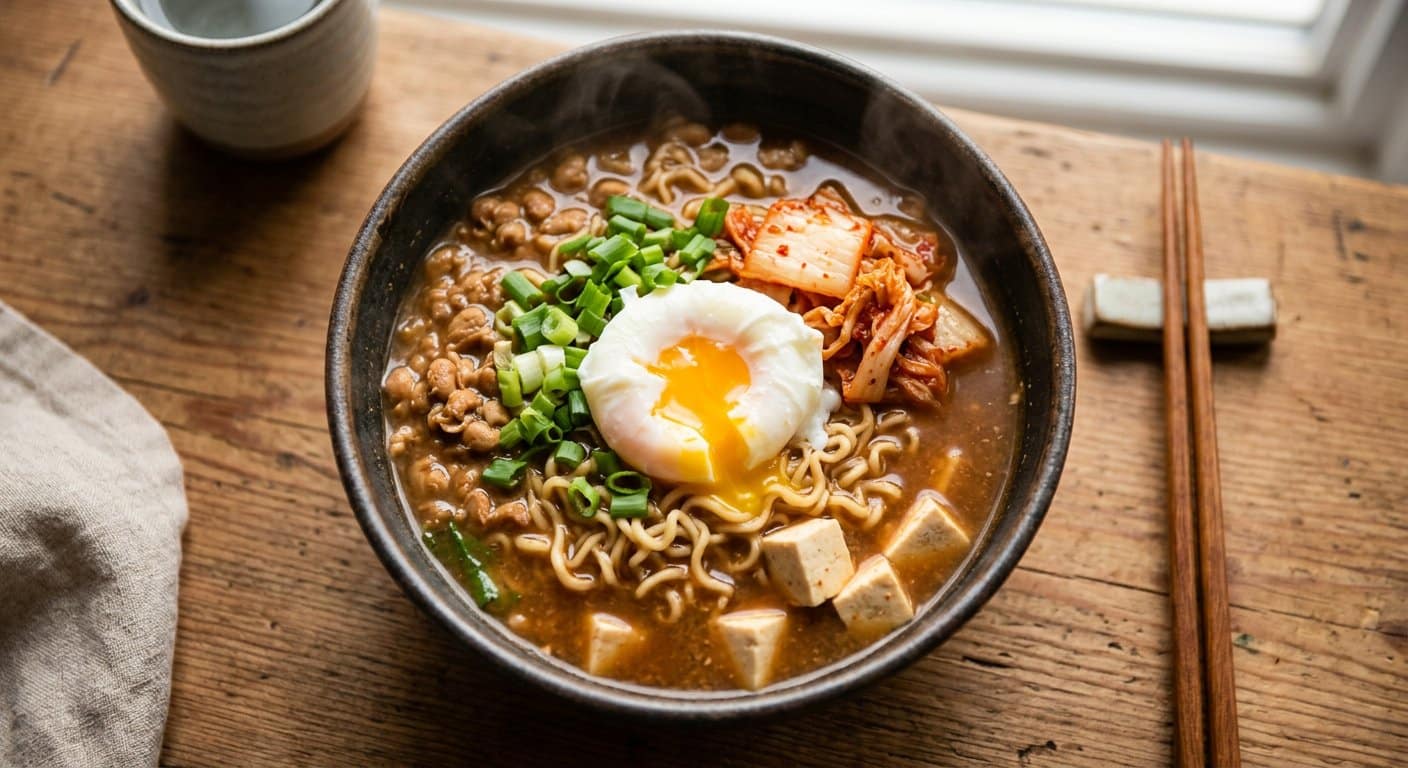
Doenjang Ramen Recipe: A 15-Minute Korean Noodle Soup
A 15-minute doenjang ramyeon that tastes like a hug from a Korean grandma. One pot, cheap ingredients, big comfort.

BLACKPINK Rosé’s Kimchi Fried Rice: Her Vogue Version
Rosé made kimchi fried rice on Vogue and the internet lost it. Here’s her version, made with stuff from a US grocery…
Bibimbap Sauce Recipe: The 5-Minute Gochujang Sauce
The 5-minute bibimbap sauce that makes any rice bowl taste like a Seoul lunch spot. Four ingredients, one whisk.

BTS Janchi Guksu: The Korean “Party Noodles” Jin Cooked
The noodle bowl from BTS’s Vogue dinner? Meet janchi guksu, Korea’s party noodles, and how to make it at home.

Tteokbokki Recipe: Korean Spicy Rice Cakes Made Abroad
One K-drama street food scene and suddenly you NEED tteokbokki? This version works with ingredients you can find abroad.
Korean Recipes Designed for Cooks Outside Korea
Tell me you cooked Korean food abroad without telling me: you own three kinds of “almost gochujang.”
A lot of Korean recipes assume you can walk into a market and recognize every sauce, noodle and chilled rice cake. Most people can’t, and that’s fine. This collection is for home cooks in the US, Canada, the UK, Europe and anywhere Korean ingredients are pricey, confusing or two hours away.
Every guide tells you what the key ingredients do before it asks you to buy them. You’ll know which ones are essential, which swaps keep the dish tasting like itself, and which swaps turn it into a different dish. When the real thing is worth hunting down, I say so and show you where to get it.
What You Will Find in These Korean Recipes
No 2,000-word life story before the ingredient list. Okay, maybe one joke.
- A clear shopping list: what actually matters, before you start chopping.
- Realistic swaps: picked for flavor and job, not just color.
- Buying help: labels, package sizes, storage and the classic wrong-tub mistakes.
- Beginner steps: no Korean cooking experience assumed.
- Serving and leftovers: how it’s usually eaten and how to store the rest safely.
Want a quick win? Start with the tteokbokki recipe. It shows how to pick rice cakes, tune the sauce and still make it when your store has limited options. Missing something in another recipe? Check the Korean ingredient substitutes guide before you improvise.
How to Choose Your First Korean Recipe
Start small. Nobody’s first Korean dinner needs to be a 12-banchan table.
Pick a dish that fits what you already own. Rice, noodles, eggs or a vegetable you know is an easier start than a recipe with five specialty jars. Read the whole guide once before you shop, check if anything needs to be chilled or frozen, and make sure your pot works on your stove.
Also, don’t judge all Korean food by one bottle of sauce. Gochujang dishes can be sweet and spicy, clear soups are mild and savory, doenjang dishes are deep and earthy, and grilled food can be simple and smoky. Try a couple of categories before you decide what you like.
Need to shop? Use my guide to buying Korean ingredients online. To check allergens, dates, origin and storage, the Korean food label guide has you covered.
Korean Recipe Questions
Do I need every authentic ingredient?
No. Some dishes live or die by one ingredient, others are happy with a swap. Each guide tells you which kind it is, so you can swap, order the real thing, or pick a different dinner.
Are these recipes very spicy?
Not all of them. When a dish uses gochujang or gochugaru, the recipe explains what they do besides heat. Cutting them also cuts sweetness, color, salt or body, so turn the dial slowly.
Can I cook Korean food without special cookware?
Usually, yes. A regular saucepan, skillet, rice cooker or sturdy pot handles most of it. If a specific tool really matters, the recipe says so.
Same rule for every new recipe I add: ingredient first, honest swaps, and no money wasted on the wrong tub.
Looking for everything instead? Browse all Korean food guides by topic, including the buying guides and culture explainers.