
Where to Buy
Wondering where to buy Korean ingredients? These guides cover the best online shops, what to expect inside a Korean grocery store, and how to read the labels — so you can shop with total confidence, even on your very first trip.
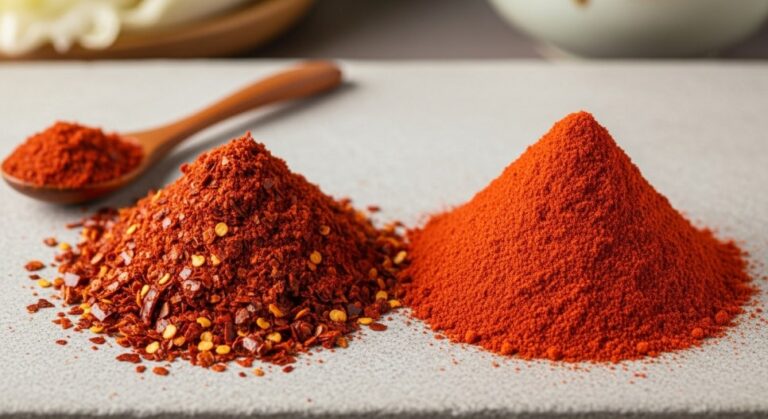
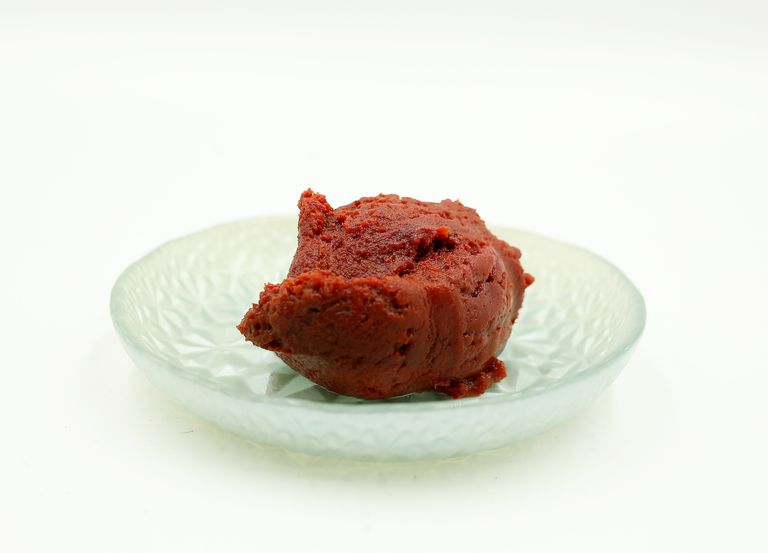
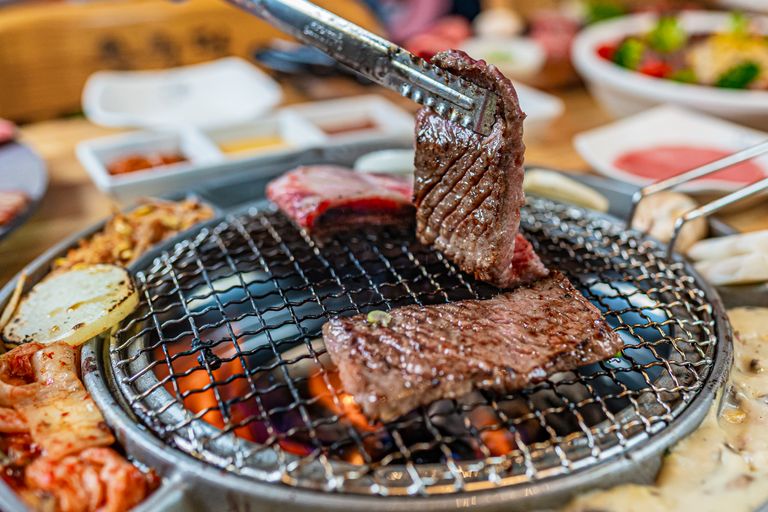
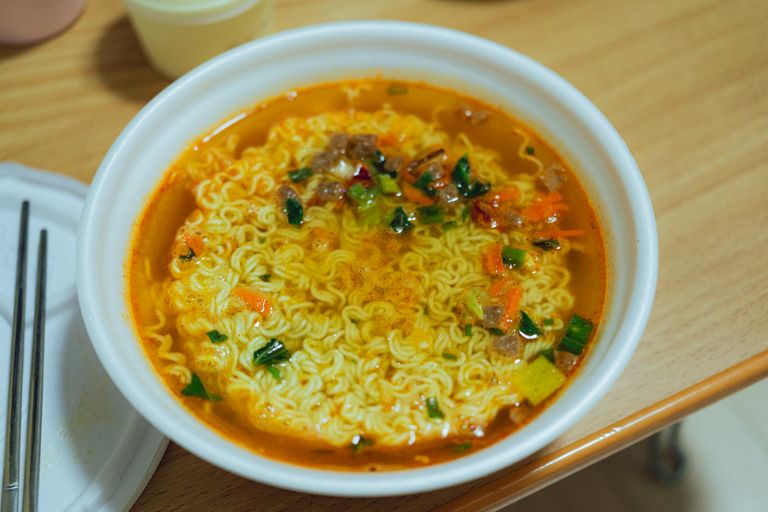
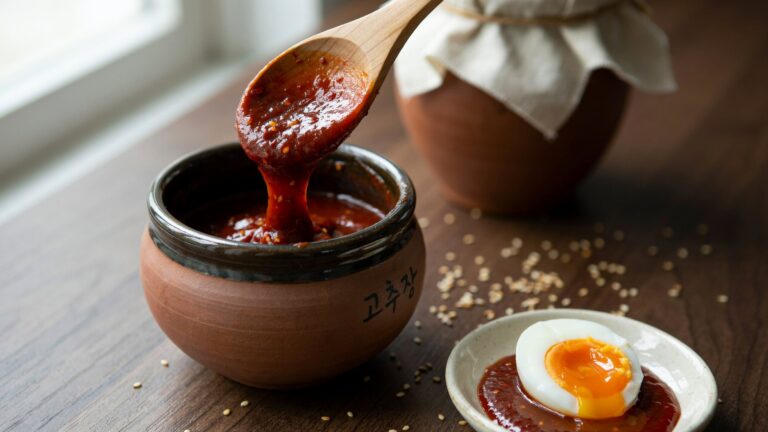

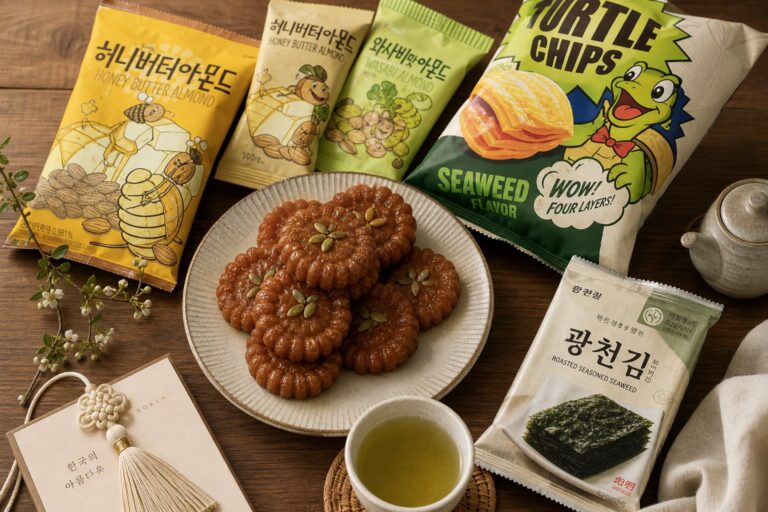
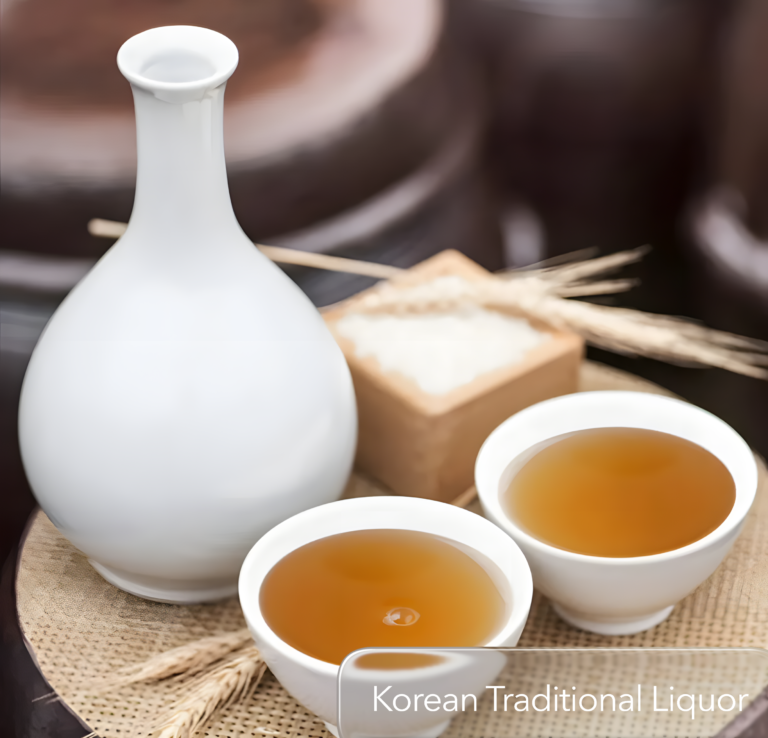
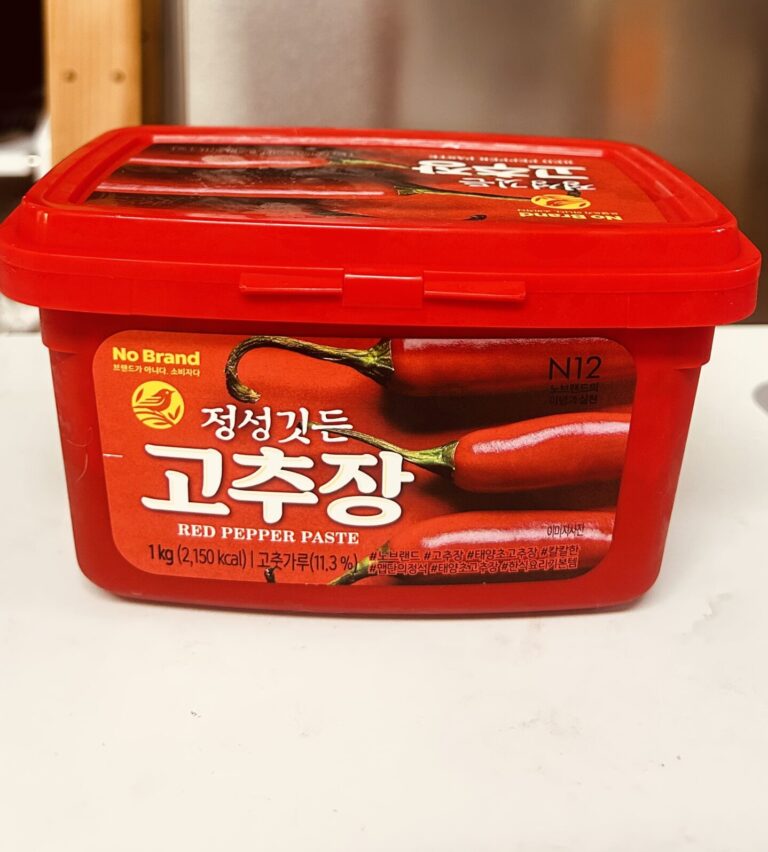



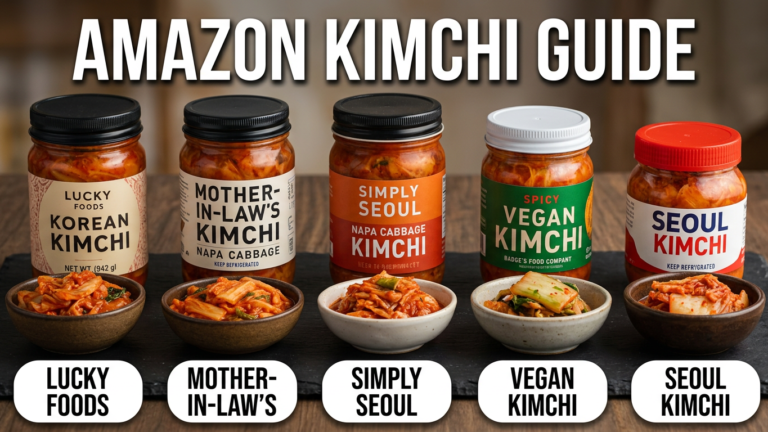
Where to Buy Korean Ingredients Without Guessing
The best place to shop depends on what you need, where you live, and whether the product is shelf-stable, refrigerated, or frozen. A local Korean supermarket is often the easiest place to compare brands and package sizes. Online specialty stores can offer better access when the nearest market is far away, while major marketplaces may be convenient for pantry items but require more attention to sellers, dates, and storage conditions.
These guides explain where to buy Korean ingredients and how to confirm that a listing matches the product you actually need. The goal is not to recommend the largest cart. It is to help you choose the right category, a practical package size, and a seller that can handle the product correctly.
Compare Korean Grocery Shopping Options
| Store type | Usually best for | What to check |
|---|---|---|
| Korean supermarket | Fresh, frozen, refrigerated, and brand-specific products | Dates, storage, package size, and English label |
| Asian supermarket | Common sauces, rice, noodles, tofu, and produce | Whether the item is Korean, Japanese, Chinese, or another regional style |
| Mainstream supermarket | Basic rice, soy sauce, sesame oil, noodles, and vegetables | Ingredients and whether the flavor matches the Korean product |
| Specialty online grocer | Hard-to-find brands and regional delivery | Cold shipping, delivery area, minimum order, and return policy |
| Online marketplace | Shelf-stable pantry products and comparison shopping | Actual seller, current label, unit price, reviews, and expiration risk |
For a detailed US comparison, read the guide to buy Korean ingredients online. It compares common shopping options without assuming that one retailer is best for every product or location.
What to Check Before You Order
- Product category: Confirm whether you are buying a paste, sauce, syrup, cooking wine, seasoning, or ready-to-eat food.
- Ingredient list: Similar packaging can hide major differences in sweetness, sodium, allergens, and flavorings.
- Package size: Compare the total weight and unit price, not just the price shown in large type.
- Seller identity: On a marketplace, the seller and shipping method may matter as much as the product brand.
- Storage: Check whether the item must stay refrigerated before or after opening.
- Date information: Korean packages may display manufacture dates, best-before dates, or expiration dates in unfamiliar formats.
The Korean food label guide explains ingredients, allergens, origin, dates, and storage terms. Read it before ordering a multipack or an unfamiliar imported product.
Shelf-Stable, Refrigerated, and Frozen Products
Shelf-stable sauces, dried noodles, seaweed, rice, and seasonings are generally easier to order than fresh rice cakes, tofu, kimchi, or unpasteurized makgeolli. For chilled and frozen items, check the seller’s delivery area, packaging method, transit time, and instructions for a delayed shipment. A low product price can become expensive after insulated packaging and cold-shipping charges are added.
For United States deliveries, the USDA mail-order food safety guide explains how perishable food should arrive and what to check before eating it. Follow the product label and local food-safety guidance where you live.
How to Avoid Buying the Wrong Korean Product
Do not rely on an English listing title alone. Look at the front and back label, Korean product name, ingredient list, net weight, country of origin, and storage instructions. If a listing uses only a stock image or combines reviews from several sizes and flavors, verify the exact variation before checking out.
When deciding where to buy Korean ingredients, compare the final delivered price rather than the item price. Shipping, membership fees, marketplace markups, and oversized multipacks can erase an apparent discount. A smaller package from a reliable specialty seller may be the better first purchase.
Korean Grocery Shopping Questions
Is Amazon always the cheapest option?
No. Marketplace prices change frequently and can include seller markups. Compare the unit price with a Korean supermarket, specialty online grocer, or the brand’s authorized seller before ordering.
Can I buy Korean ingredients at a regular supermarket?
Yes, especially rice, noodles, soy sauce, sesame oil, tofu, garlic, and vegetables. For category-specific products such as gochujang, doenjang, gochugaru, and Korean rice cakes, check the label carefully or use the Korean ingredient substitutes guide.
Should I order refrigerated kimchi online?
Only when the seller provides suitable cold shipping to your area and clear instructions for delivery. If reliable refrigerated shipping is unavailable, a nearby Korean or Asian grocery store is usually the safer option.
As the buying library grows, each guide will continue to explain where to buy Korean ingredients, how sellers differ, and what to check before spending money.
Looking for everything instead? Browse all Korean food guides by topic, including the buying guides and culture explainers.